

European Union aims to strengthen air defense amid rising drone threats from Moscow
The European Union (EU ) has announced an ambitious plan to develop and deploy an advanced anti-drone defense system by 2027, as part of its broader strategy to counter potential aerial threats from Russia. The initiative, revealed in Brussels this week, underscores the EU’s growing focus on collective security and technological readiness in an increasingly volatile geopolitical environment.
According to defense officials, the program will integrate drone detection, interception, and jamming technologies across member states to protect critical infrastructure, military bases, and border regions.

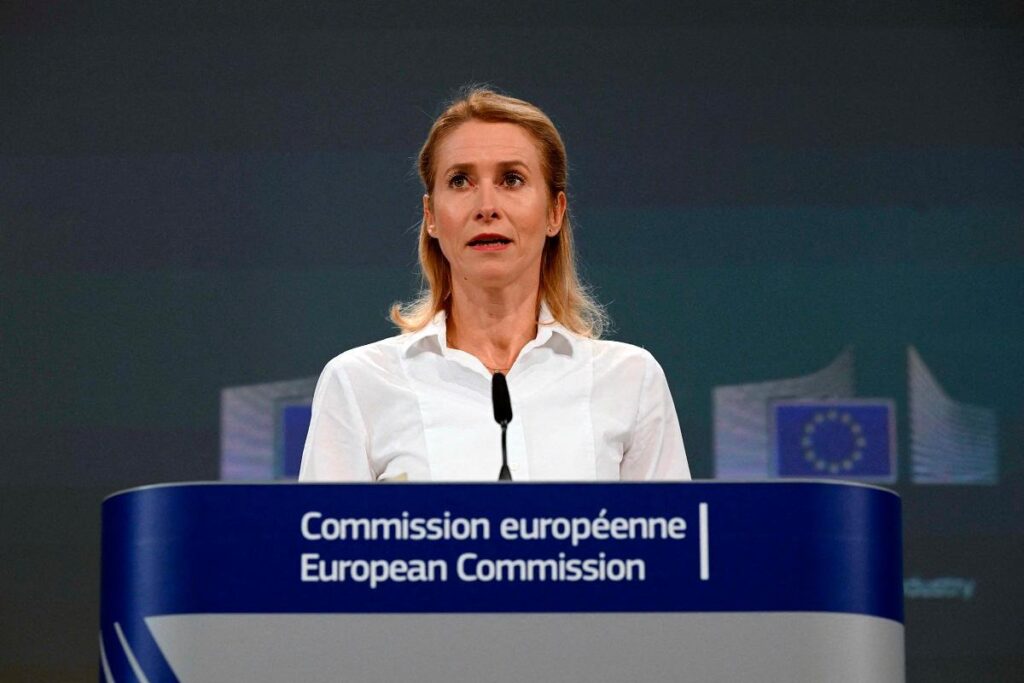
A coordinated European defense response
European Commissioner for Internal Market Thierry Breton said the move marks a critical step in ensuring Europe’s ability to defend itself from emerging threats, including the use of drones in modern warfare.
“We are entering an era where airspace security is no longer limited to fighter jets and missiles. Drones, both military and civilian, can cause real damage. Europe must be prepared,” Breton stated.
The EU’s plan involves cooperation between national defense ministries, private technology firms, and NATO partners. The new system, tentatively called the European Counter-Drone Shield (ECDS), will combine AI-powered radar systems, laser-based interceptors, and radio-frequency sensors capable of identifying hostile drones within seconds.
Officials say the system will be able to detect and neutralize drones up to 10 kilometers away, ensuring rapid protection for sensitive sites.
Russia’s drone strategy sparks urgency
The urgency for this new project stems from lessons learned on the Ukrainian battlefield, where drones have played a pivotal role in surveillance and attacks. Russian forces have relied heavily on Iranian-made Shahed drones and their domestic equivalents to strike energy grids, logistics hubs, and civilian areas.
A senior EU security analyst, Dr. Marta Keller, noted that the war in Ukraine has been a “wake-up call” for European defense planners.
“The scale and sophistication of Russian drone operations have exposed major vulnerabilities in European airspace defense. The EU’s decision is a direct response to these realities,” she said.

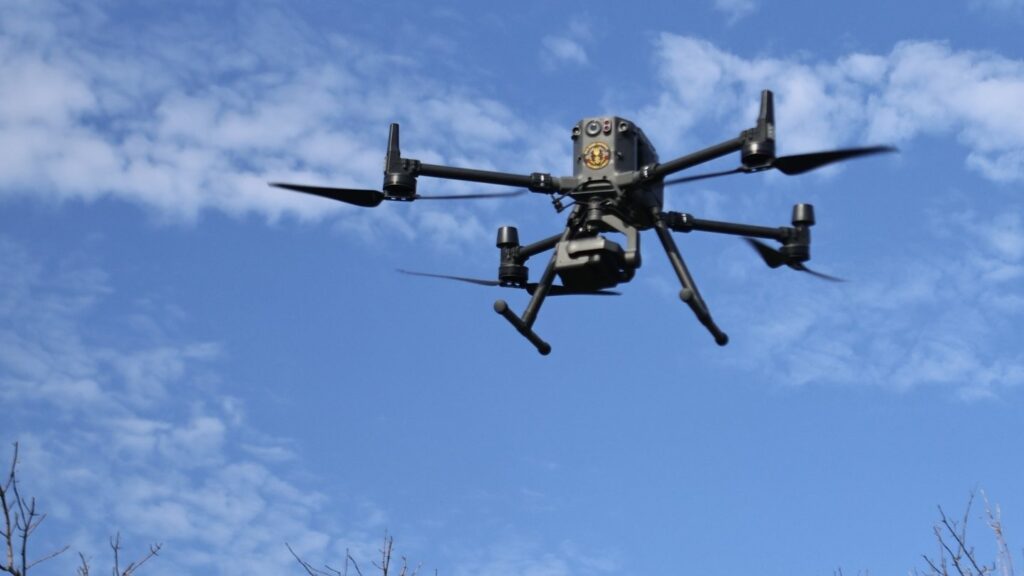
Countries like Poland, Romania, and the Baltic states have already begun independent anti-drone initiatives, but the EU’s coordinated effort is expected to unify these systems under a single operational command by 2027.
Funding and implementation timeline
The European Defence Fund (EDF) will finance the project, allocating nearly €1.2 billion over the next three years for research, development, and deployment.
Phase one (2025–2026) will focus on testing prototypes and integrating existing national systems, while phase two (2027 onward) will involve full-scale production and deployment across the continent.
Participating defense contractors from France, Germany, and Sweden are already developing laser-based counter-drone systems capable of disabling aerial threats without explosive impact—minimizing collateral damage.
Europe Faces Its Most Dangerous Security Crisis Since World War II, Warns Danish PM – 2025
A step toward a unified European defense
The anti-drone project is part of a broader EU initiative to build what leaders call “strategic autonomy” — reducing reliance on U.S. and NATO defense capabilities.
However, EU officials clarified that the project will complement NATO operations rather than compete with them. NATO Secretary-General Jens Stoltenberg welcomed the move, saying it would “strengthen collective defense and enhance interoperability among allies.”
Experts believe that by 2027, Europe will have one of the most advanced integrated air defense networks in the world, capable of responding to both drone swarms and electronic warfare tactics.

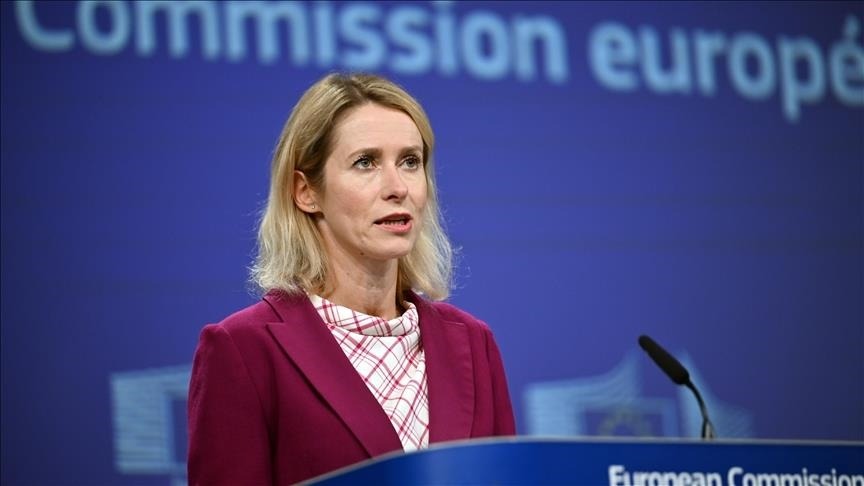
Public reaction and future outlook
Public response to the announcement has been largely positive, with citizens in frontline states such as Poland and Estonia expressing relief at the EU’s proactive approach.
Defense analysts predict that once operational, the anti-drone shield will not only protect Europe from external threats but also provide a valuable export opportunity for EU-based defense companies.
As tensions with Russia remain high and drone warfare continues to evolve, the EU’s decision marks a pivotal shift in European defense strategy — from reactive to preemptive protection.
“This is Europe taking control of its own skies,” said Commissioner Breton. “By 2027, we will be ready.”