

Europe Faces Most Dangerous Security Crisis Since WWII, Warns Danish PM (2025)
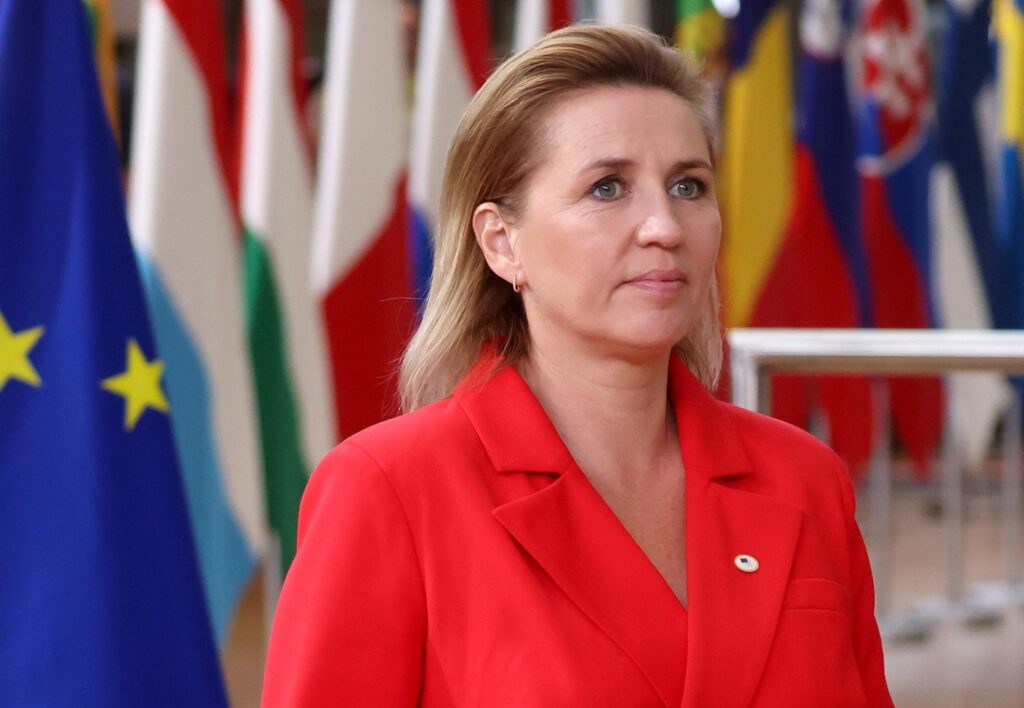
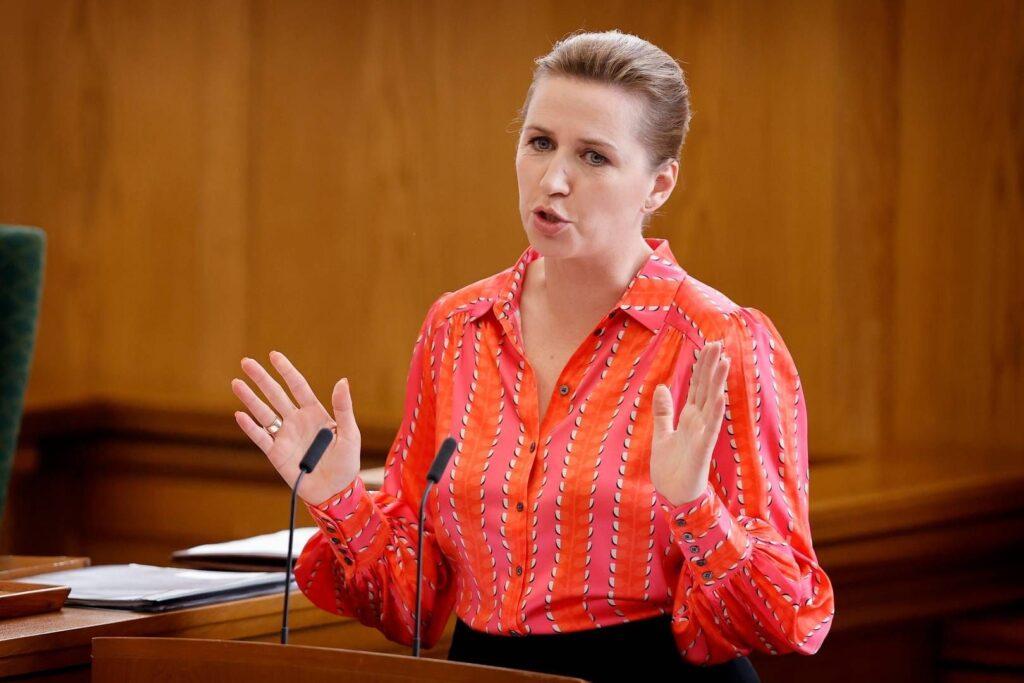
Copenhagen, October 1, 2025 — Danish Prime Minister Mette Frederiksen has issued a stark warning to European leaders, declaring that the continent is living through “the most difficult and dangerous situation since the Second World War.” Her remarks came as EU heads of state gathered in Copenhagen for high-level talks focused on security, defense, and support for Ukraine.
Frederiksen did not mince words. She argued that Europe is under attack not only through traditional military means but also via hybrid warfare — a mix of cyberattacks, drone incursions, and sabotage — which is testing the continent’s resilience. “This is more dangerous than the Cold War,” she said, urging Europe to stand together in response.

Rising Threats Across Europe
Drone Incursions and Hybrid Warfare
In recent weeks, Danish authorities have reported suspicious drone activity over airports and military installations. Similar incidents have been recorded in Poland, the Baltic states, and Germany. While no country has directly named Russia as the culprit, Frederiksen pointed out that the pattern is clear.
“These are not isolated incidents. One day it is Denmark, the next it is Poland. This is designed to destabilize and intimidate,” she warned.
Cyberattacks and Political Interference
Alongside drone incursions, European governments are battling frequent cyberattacks targeting energy infrastructure, hospitals, and banking systems. Disinformation campaigns aimed at weakening public trust and fueling political division have also been traced back to Russian networks.
Frederiksen called this “a war without borders” — one fought in the skies, online, and in public opinion.
Europe’s Response: From Words to Action
Strengthening Defense
Several EU members, including Denmark, Poland, and the Baltic states, have already committed to raising defense spending well beyond NATO’s 2% target. Frederiksen argued that this must become the standard across Europe, not the exception.
She also urged faster procurement of advanced technologies, including anti-drone defense systems, which have become essential in modern conflict.

Supporting Ukraine
At the Copenhagen summit, EU leaders are debating whether to use frozen Russian state assets to fund Ukraine’s defense. The proposal, while controversial, is gaining momentum as governments search for sustainable ways to back Kyiv.
Ukraine’s energy security is also under strain. The Zaporizhzhia nuclear plant, still occupied by Russian forces, has been cut off from its main power supply for days. Emergency diesel generators are preventing disaster, but experts warn that the situation is fragile.
Israel Accepts Trump’s Gaza Peace Proposal, Hamas Remains Silent 2025
Why This Warning Matters
Frederiksen’s remarks highlight a reality that many Europeans have felt but few leaders have expressed so directly: Europe’s security environment has shifted dramatically. The post-Cold War era of relative stability is over.
Unlike traditional conflicts, today’s battles are less about tanks crossing borders and more about drones, cyberattacks, sabotage, and disinformation campaigns. These tactics are harder to detect, harder to defend against, and often deliberately aimed at civilians.
Her call for unity reflects a growing understanding that no single European country can tackle these threats alone. Collective defense, intelligence-sharing, and financial cooperation will be critical in the months ahead.

Russia’s hybrid war
The Copenhagen summit is expected to produce commitments on increased defense spending and a stronger European security framework. But whether leaders can act quickly enough to meet the escalating threats remains uncertain.
What is clear is that Europe has entered a new and dangerous chapter — one that demands urgency, resilience, and unity. As Frederiksen said, “We must be prepared. The stakes could not be higher.”