

Caribbean nations brace for impact as Hurricane Melissa intensifies
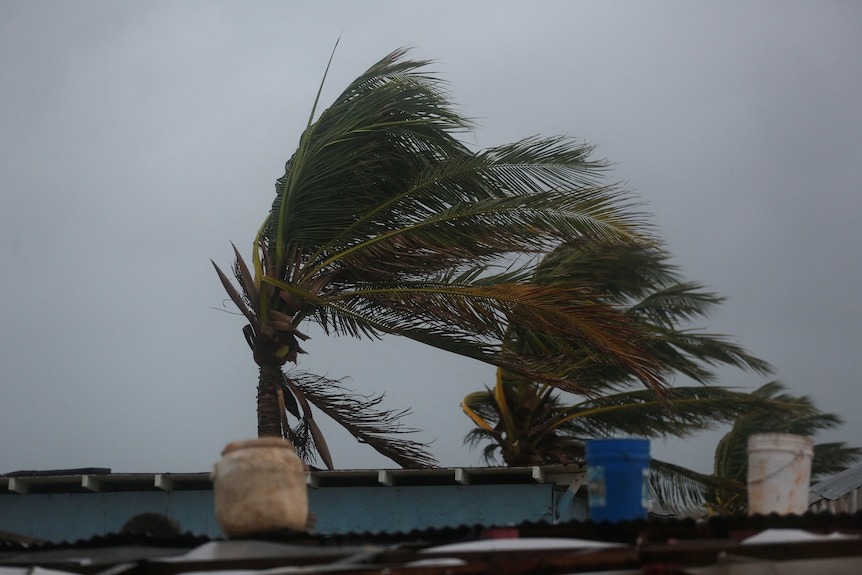
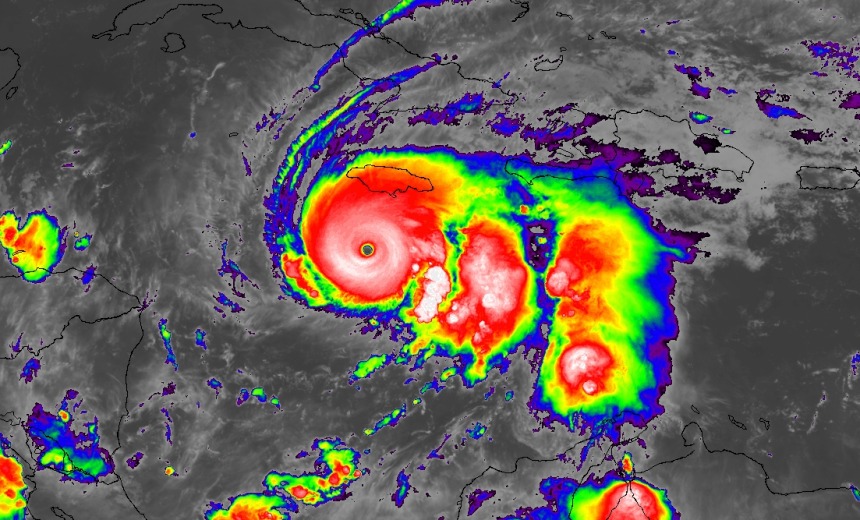
The Caribbean is once again facing the wrath of nature as Hurricane Melissa moves through the region, bringing intense winds, torrential rainfall, and dangerous storm surges. The powerful storm, which strengthened into a Category 4 hurricane on Saturday, has already caused widespread flooding and infrastructure damage in several island nations.


According to the National Hurricane Center (NHC), Hurricane Melissa’s sustained winds have reached speeds of up to 145 mph (230 km/h), making it one of the strongest storms of the 2025 Atlantic hurricane season so far. Meteorologists have issued hurricane warnings across Puerto Rico, the Dominican Republic, Jamaica, and parts of the Bahamas, urging residents to seek shelter and follow evacuation orders.
Severe Flooding and Power Outages Reported
In Puerto Rico, emergency services have been overwhelmed with calls related to flooding and downed power lines. Nearly 600,000 homes are without electricity, and coastal towns have reported severe beach erosion. In the Dominican Republic, authorities have temporarily closed airports and ports as a precautionary measure.
Local governments have also declared states of emergency in several territories, allowing rescue teams to mobilize quickly. The Caribbean Disaster Emergency Management Agency (CDEMA) has been coordinating regional support, including food, water, and temporary shelter for affected families.

Air Travel and Tourism Affected
Hurricane Melissa’s impact is being felt beyond immediate safety concerns. Several airlines, including American Airlines and JetBlue, have canceled or rescheduled flights to Caribbean destinations. Tourism—one of the region’s main sources of income—is expected to take a temporary hit as cruise lines divert routes and hotels prepare for post-storm recovery.
Experts believe that the warming ocean temperatures have played a role in the storm’s rapid intensification, once again raising concerns about climate change and its effects on tropical weather systems.
Super Typhoon Ragasa Batters Hong Kong After Leaving 17 Dead Across Taiwan and Philippines
Relief Efforts Underway
International aid organizations, including the Red Cross and UN relief agencies, have begun organizing emergency supplies for distribution across affected islands. The U.S. Coast Guard has also deployed ships and aircraft to assist with search-and-rescue operations.

Caribbean leaders have called for stronger climate resilience programs and better infrastructure to protect communities from increasingly frequent and intense storms. While the full extent of the damage is still being assessed, the focus now is on ensuring safety and restoring essential services.
FAQs About Hurricane Melissa
Q1: Which countries are most affected by Hurricane Melissa?
A: The hardest-hit areas include Puerto Rico, the Dominican Republic, Jamaica, and parts of the Bahamas, though heavy rainfall is expected across much of the Caribbean.
Q2: How strong is Hurricane Melissa?
A: As of the latest update, Hurricane Melissa is a Category 4 hurricane with sustained winds of about 145 mph (230 km/h).
Q3: Are flights to the Caribbean canceled?
A: Yes. Many airlines have temporarily suspended flights due to safety concerns and closed airports in affected areas.
Q4: What safety measures should residents take?
A: Residents are urged to follow official evacuation orders, stay indoors, and keep emergency supplies such as water, food, and flashlights.
Q5: Is climate change linked to Hurricane Melissa?
A: Scientists say rising ocean temperatures can make hurricanes stronger and more unpredictable, likely contributing to Melissa’s rapid growth.