

Hong Kong is facing widespread destruction and chaos as Super Typhoon Ragasa slammed into the city after leaving a deadly trail in Taiwan and the Philippines, where at least 17 people have been confirmed dead. The storm, one of the strongest of the year, has disrupted daily life, forcing authorities to shut down transportation, schools, and businesses while residents brace for more damage.

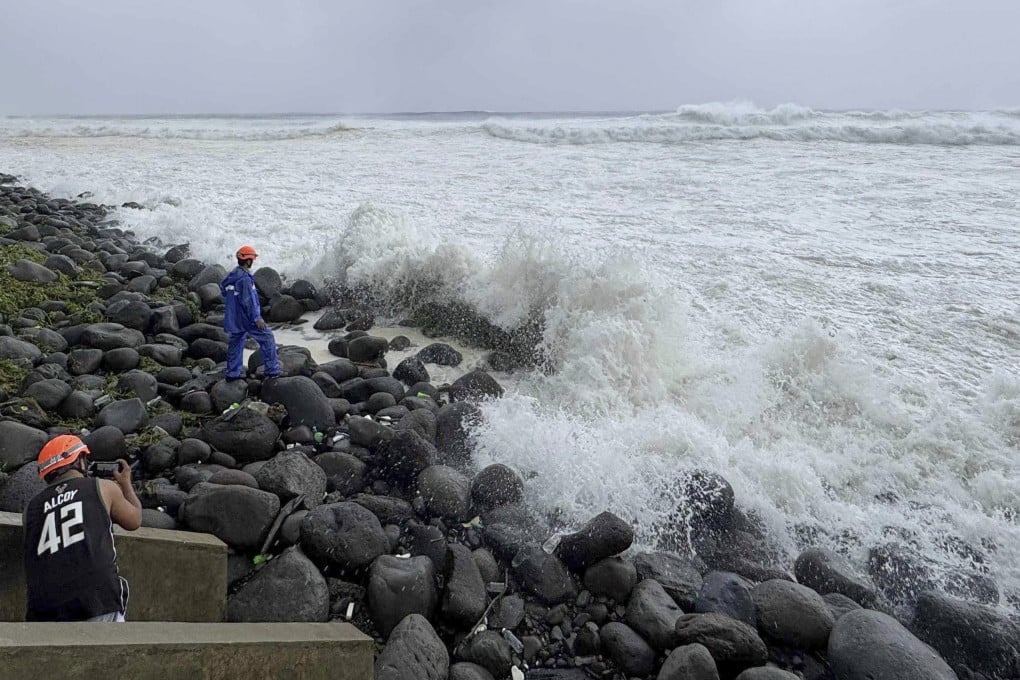
Winds and Flooding Bring City to a Standstill
Ragasa made landfall in Hong Kong with sustained winds of over 150 miles per hour, toppling trees, smashing windows, and flooding low-lying areas. The Hong Kong Observatory issued its highest “T10” storm signal, urging people to remain indoors. Public transit services, including ferries, buses, and trains, were either suspended or severely limited, leaving the usually bustling city eerily quiet.
Officials reported widespread power outages in several districts, with emergency crews struggling to restore electricity as heavy rain continued to pound the region. Videos shared online showed cars submerged in water and glass panels ripped off high-rise buildings, highlighting the storm’s sheer force.

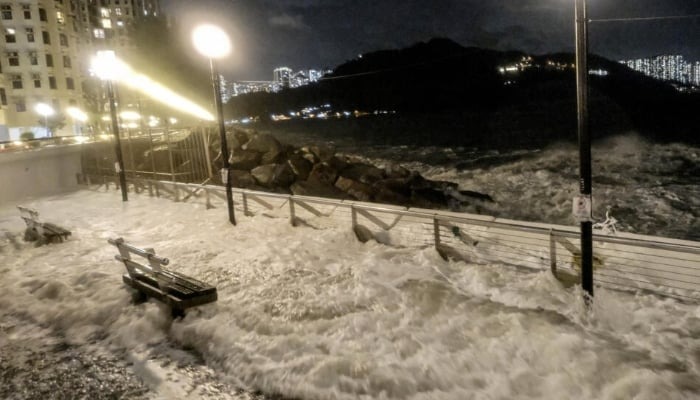
Terrible in Taiwan and the Philippines
Before hitting Hong Kong, Ragasa wreaked havoc across Taiwan and the northern Philippines. In Taiwan, torrential rains triggered landslides in mountain regions, burying homes and cutting off roads. At least 9 people were killed, and dozens remain missing. Thousands of residents were evacuated, and shelters were set up for those displaced by the flooding.
World Summit to Address Two-State Solution as Six More Nations Move to Recognize Palestine
In the Philippines, Ragasa left a trail of destruction in Luzon, where at least 8 people died. Strong winds destroyed houses, damaged crops, and knocked out power in several provinces. Relief operations are underway, but local officials warn that recovery could take weeks.
Authorities Brace for After


Hong Kong’s Chief Executive urged residents to remain patient as emergency workers continue rescue and cleanup operations. Hospitals are on high alert, and temporary shelters have been set up for those displaced. Meteorologists warn that secondary flooding and landslides remain a risk, particularly in the New Territories.
Meanwhile, international aid organizations are already coordinating with Taiwan and the Philippines to provide relief for the thousands affected.
Super Typhoon Ragasa has once again highlighted the growing intensity of storms in the region, raising concerns about the impact of climate change on future weather events.