

Lithuania announced on Friday that it will begin shooting down smuggler balloons and temporarily shut several border crossings with Belarus, citing rising concerns over illegal trade and cross-border provocations. The move underscores growing tensions between the Baltic state and its eastern neighbor, which has long been accused of aiding smuggling operations and hybrid attacks against European Union borders.

Why Lithuania Is Taking Action
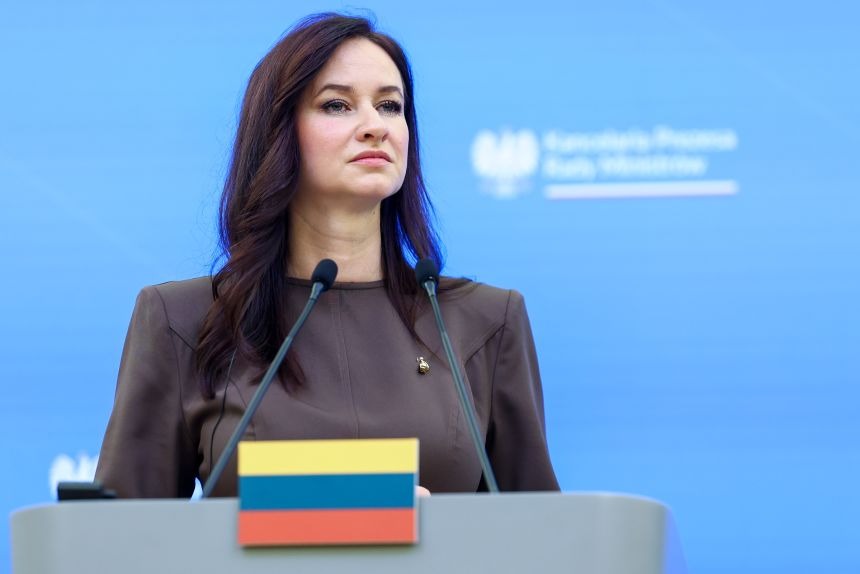
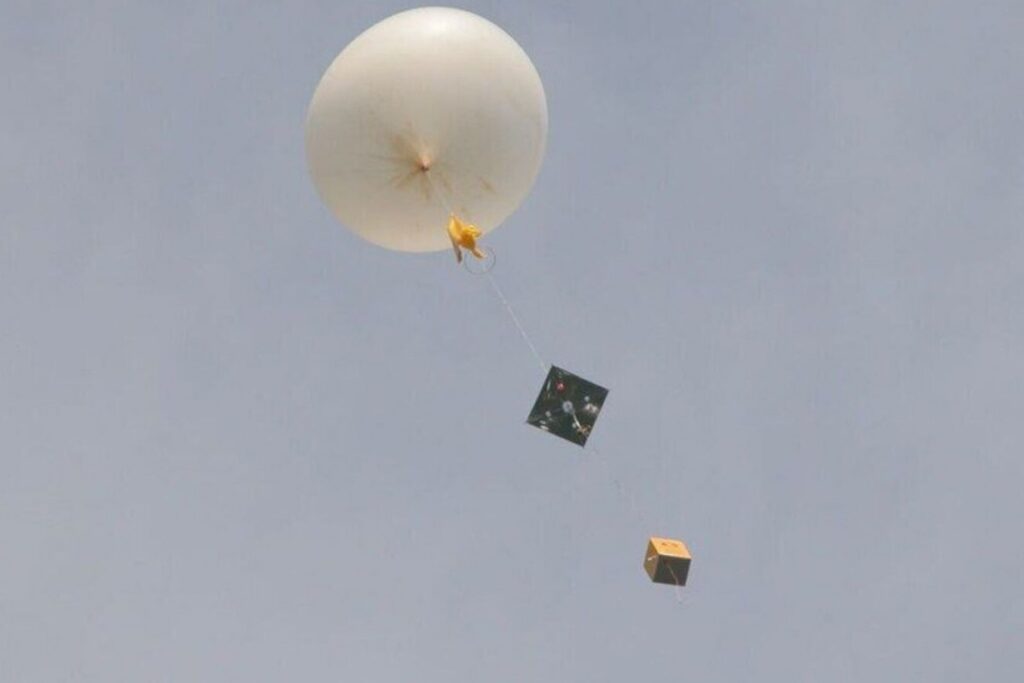
According to Lithuanian Interior Minister Agnė Bilotaitė, the decision follows a surge in unmanned smuggling operations — particularly the use of helium balloons and drones to transport illegal goods, including cigarettes and contraband electronics, from Belarus into Lithuanian territory.
“These operations pose a direct threat to our national security,” Bilotaitė stated during a press conference in Vilnius. “Lithuania will not tolerate violations of its airspace or attempts to undermine our border integrity.”
Lithuanian border guards have reported dozens of incidents in recent months involving balloons launched from Belarus. Some were found carrying packages weighing several kilograms, often equipped with GPS trackers to help smugglers retrieve the goods once they crossed the border.
Border Crossings to Be Closed
In addition to targeting smuggler balloons, Lithuania will close two of its six official border checkpoints with Belarus — the Šalčininkai and Lavoriškės crossings — starting next week. Authorities say this measure will help concentrate security resources and prevent illegal movement.
Traffic at the remaining checkpoints will be strictly monitored, with enhanced customs inspections and advanced scanning technologies deployed to detect contraband shipments.

The Lithuanian government also urged citizens to avoid unnecessary travel to Belarus, citing potential “security risks linked to the geopolitical situation.”
Wider Regional Context
Relations between Lithuania and Belarus have deteriorated since 2020, when Belarusian leader Alexander Lukashenko cracked down on pro-democracy protests following disputed elections. Lithuania has since become one of the most vocal critics of Lukashenko’s regime and a key supporter of exiled Belarusian opposition leader Sviatlana Tsikhanouskaya.
Tensions have further escalated due to Belarus’s close military cooperation with Russia amid the ongoing war in Ukraine. Lithuanian officials allege that Belarus has facilitated “hybrid warfare tactics,” including the use of migrants and smugglers to destabilize EU borders.
Trump’s Alleged Push to Overthrow Venezuelan Government Sparks Global Reaction
International Reactions
The European Union expressed support for Lithuania’s actions, calling them “proportionate and necessary” to ensure border security. Meanwhile, Belarusian officials accused Lithuania of “escalating hysteria” and claimed the measures were politically motivated.
Despite the sharp rhetoric, analysts say Lithuania’s stance reflects growing unease across Eastern Europe about the weaponization of migration and smuggling routes.
What Happens Next
Lithuania’s defense forces are now authorized to intercept and destroy any unauthorized aerial objects entering national airspace. The government has also hinted at additional sanctions and tighter surveillance measures along the 680-kilometer Belarusian border.


As the situation evolves, European partners are expected to coordinate further on intelligence sharing and air defense readiness in the region — reinforcing the EU’s eastern frontier amid an increasingly volatile geopolitical climate.
FAQ Section
Q1: Why is Lithuania targeting smuggler balloons?
Lithuania has seen an increase in contraband goods being sent across the Belarusian border using balloons and drones, prompting the government to strengthen airspace defenses.
Q2: Which border crossings will be closed?
The Šalčininkai and Lavoriškės checkpoints will be temporarily shut down to improve security and focus resources on remaining border posts.
Q3: How has Belarus responded?
Belarus has dismissed Lithuania’s claims as “hysteria” and denies involvement in cross-border smuggling or hybrid attacks.
Q4: What does this mean for EU security?
Lithuania’s actions are seen as part of a broader EU effort to secure its eastern borders against smuggling, espionage, and political destabilization efforts.