

Washington, D.C. — The U.S. House of Representatives is set to vote on a long-awaited bill to end the ongoing government shutdown, which has stretched into one of the longest in American history. The move comes after mounting pressure from both parties, federal workers, and the public to restore government operations that have been partially closed for weeks.

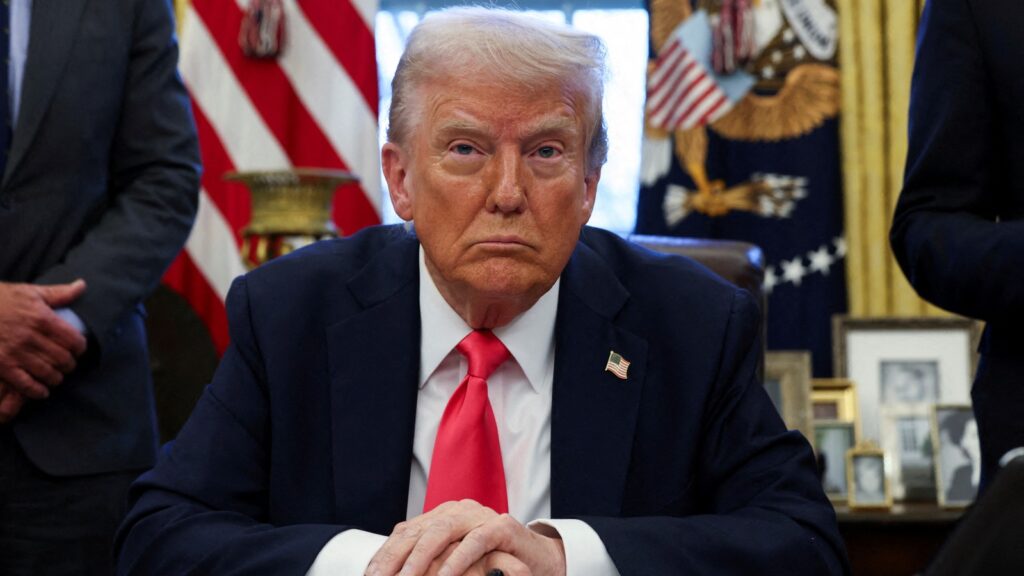
House Speaker Mike Johnson announced that lawmakers would return from recess to finalize negotiations and pass a short-term funding measure. The proposal aims to keep government agencies running through early 2026 while giving Congress more time to agree on a long-term budget.
Why the Shutdown Happened
The shutdown began after Congress failed to approve key appropriations bills, leading to the suspension of many federal services. National parks, research facilities, and some health and food assistance programs were severely impacted. Federal employees across the country went unpaid or were furloughed, creating financial strain for thousands of families.
At the heart of the dispute were disagreements over domestic spending caps, border security funding, and social assistance programs such as SNAP (Supplemental Nutrition Assistance Program). The standoff between House conservatives and Senate Democrats stalled any progress for weeks.
What the New Bill Proposes
The newly drafted legislation provides temporary funding for all federal departments, including Defense, Transportation, and Health and Human Services. It also includes limited emergency relief for farmers and extends the Child Tax Credit that was set to expire at the end of the year.

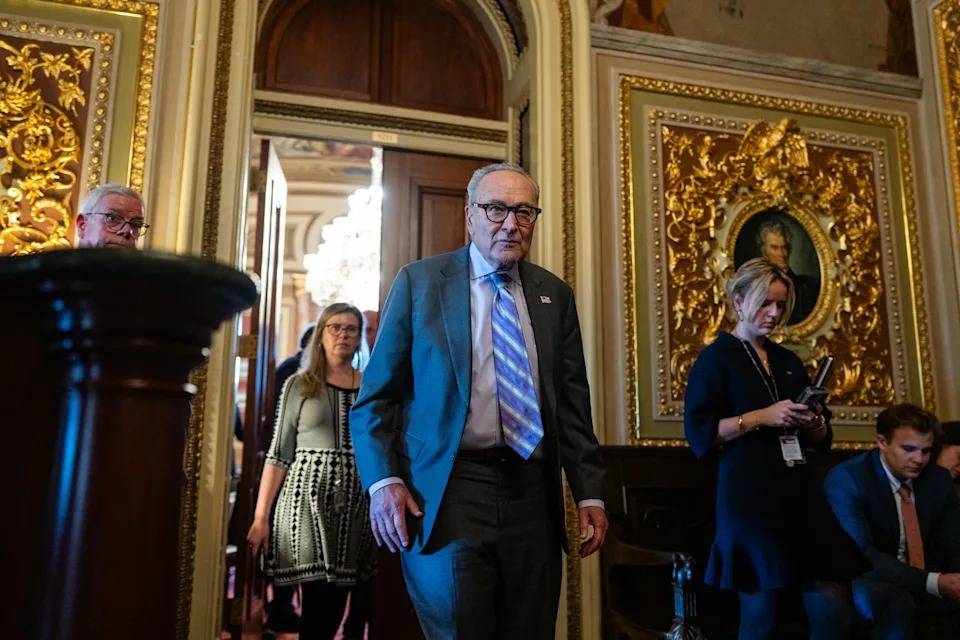
In addition, the bill delays any major policy changes on immigration or climate spending until after the 2026 fiscal negotiations. The plan’s bipartisan support signals a willingness to end the impasse — though tensions remain over how future spending cuts will be handled.
Impact on Americans
If passed, the bill will allow federal workers to return to their jobs, reopen national parks and museums, and resume key public programs such as food benefits and small-business loans. The shutdown has already cost the economy billions of dollars in lost productivity, with economists warning that further delay could hurt consumer confidence and job growth.
For millions of families, this vote represents not just a political milestone but also a lifeline — restoring the essential services that have been halted since the shutdown began.
Shutdown Day 38: J.D. Vance Explodes Over Judge’s Order to Fully Fund SNAP Benefits
What Happens Next
Once the House passes the bill, it will move to the Senate for approval before heading to the President’s desk for signature. Lawmakers from both sides have urged quick action to prevent another lapse in government funding.
However, political observers caution that this may only be a temporary fix, as deeper budget battles are expected early next year. Still, today’s vote offers hope that cooperation is possible — even in one of the most divided Congresses in modern history.

Final Thoughts
The House vote to end the government shutdown marks a turning point in a turbulent year for American politics. While challenges remain ahead, the decision reflects a rare moment of unity in Washington’s increasingly partisan landscape. For now, federal employees and the public can finally see a light at the end of the tunnel.