

Honda 2025: Big Challenges, Bold Moves, and the Future of Electric Mobility
When people think of Honda, they think of trust, technology, and performance. For decades, Honda has been known for creating vehicles and motorcycles that deliver long-lasting reliability and a smooth driving experience. But in 2025, the global automotive leader finds itself at a crucial turning point — a year filled with innovation, recalls, financial adjustments, and renewed efforts to redefine its identity in the age of electric mobility.

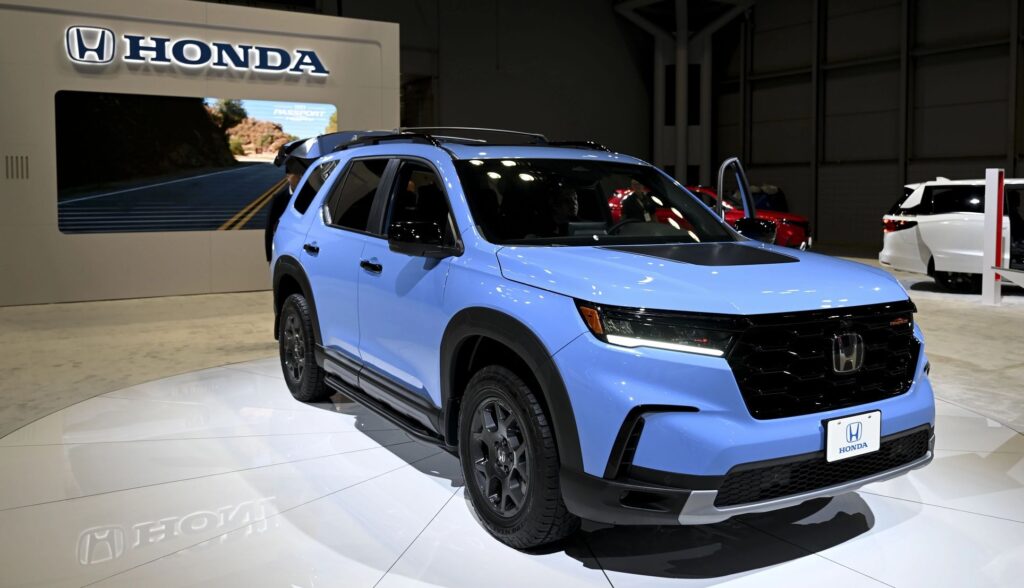
⚡ The Electric Ambition: Honda’s Big Leap into the Future
In the last few years, electric mobility has become the heart of the automotive revolution, and Honda is making sure it’s not left behind. The company is investing heavily in electric motorcycles and EV technology, signaling a strong desire to be part of the sustainable transport movement.
One of Honda’s biggest steps this year is the introduction of its first full-sized electric motorcycle, the Honda WN7. This marks a new era for the company that built its reputation on gas-powered performance machines. The WN7 isn’t just about quiet power — it represents Honda’s vision of a cleaner, more emotional riding experience. With this move, Honda is appealing to younger generations of riders who care about both the environment and modern design.
Alongside the WN7, Honda has also unveiled new concept models aimed at combining comfort, performance, and digital intelligence. The idea is to bridge the gap between traditional power and futuristic innovation. Honda believes the motorcycle of the future should be as connected and intuitive as your smartphone — a companion, not just a machine.
But Honda isn’t stopping there. It’s also redesigning its logo for different divisions — using new visual elements to separate its electric products from traditional combustion-engine vehicles. This rebranding is more than cosmetic; it symbolizes how Honda is transforming from a fuel-driven company into a tech-forward mobility brand.
💰 Financial Headwinds: Profit Declines and Market Pressures
While innovation is exciting, it’s also expensive. Honda’s transition toward electrification hasn’t come without cost. In 2025, the company experienced a sharp drop in quarterly profits, largely due to high EV production expenses, currency fluctuations, and weaker demand in certain Asian markets.
Analysts note that while Honda continues to perform well in the U.S. and Japan, its sales in developing markets have slowed because of inflation, stricter regulations, and rising competition from local automakers. These challenges forced Honda to lower its annual profit forecast — a move that surprised investors and reminded everyone that even established brands face turbulence when industries change this fast.
The financial strain also stems from the company’s ongoing commitment to research and development. Honda spends billions every year on developing new EV batteries, AI-driven safety systems, and autonomous driving technologies. These investments are essential for long-term growth, but they temporarily reduce short-term profits.
Still, Honda’s leadership remains confident. Executives emphasize that the current spending is an investment in the company’s next generation — one that focuses on carbon neutrality and smart mobility.
🚨 Recalls and Safety Challenges
In 2025, Honda faced another big headline — a major vehicle recall affecting over 400,000 cars. The recall was linked to an issue with wheel assembly components that, in rare cases, could lead to wheel detachment while driving.
While the company acted quickly to notify customers and offer free repairs, this incident brought attention to the importance of strict quality checks, especially when introducing new materials and designs. Honda’s reputation for safety and dependability has always been a core strength, and the brand is determined to maintain that trust even during its transition to next-generation vehicles.

Safety has always been a top priority for Honda. The brand’s internal engineering teams are now implementing enhanced AI-based inspection processes and predictive maintenance technologies designed to identify flaws earlier in the manufacturing cycle. It’s a reminder that innovation and safety must move hand in hand.
🌍 Honda’s Global Strategy: Balancing Innovation with Identity
Beyond cars and motorcycles, Honda continues to shape the future of mobility. The company is developing hybrid aircraft engines, energy solutions, and robotics, proving that its ambition extends far beyond the road.
However, the global market in 2025 is unpredictable. The shift to electric vehicles has created both opportunities and challenges. Consumers want cleaner energy and digital innovation — but they also expect affordability and proven reliability. Honda’s strategy seems to be about finding the balance between heritage and future vision.
In North America, Honda is doubling down on its EV lineup while also refreshing its hybrid vehicles to serve customers who aren’t ready to go fully electric. In Asia, the focus is on affordability — bringing efficient vehicles to customers who value practicality over luxury. And in Europe, Honda is targeting sustainability partnerships, using renewable materials and eco-friendly factories to align with strict environmental policies.
This global balancing act reflects Honda’s biggest challenge: keeping its long-time loyalists while appealing to a new generation that demands change.
Toyota Recalls Over 1 Million Cars for Rearview Camera Glitch: What Drivers Need to Know
💡 What Makes Honda Different in 2025?
Even with all the turbulence, Honda continues to stand out. Unlike many competitors who focus only on electric cars, Honda is building a diverse ecosystem — including motorcycles, scooters, energy storage, robotics, and even AI integration.
The company’s slogan, “The Power of Dreams,” feels more relevant than ever. It represents Honda’s belief that innovation must come from imagination — that real progress happens when technology serves humanity.
In 2025, this philosophy is clear in every move the brand makes: from EV motorcycles to factory automation, from eco-friendly batteries to interactive cockpit displays. Honda is positioning itself as a brand that listens, adapts, and keeps moving forward.
🔍 Conclusion: The Road Ahead
Honda’s 2025 journey is both inspiring and uncertain. The brand is facing financial pressure, production challenges, and recall issues — yet it continues to drive innovation and push boundaries. Its new electric models, digital designs, and sustainability commitments are shaping what the next decade of mobility could look like.

If history is any guide, Honda will use this moment not as a setback but as fuel to reinvent itself once again. Just as it did in the past — from small motorcycles to global cars — Honda seems ready to prove that even in the toughest times, innovation is what keeps the engine running.
Frequently Asked Questions (FAQ) about Honda 2025
1. What is Honda focusing on in 2025?
In 2025, Honda is focusing heavily on electric mobility. The company is investing in electric motorcycles, EV cars, and sustainable energy technology. Honda is also improving safety standards and developing AI-assisted features for a smarter driving experience.
2. Has Honda released any new electric vehicles this year?
Yes, Honda has unveiled several new electric models, including its first full-size electric motorcycle and updated EV cars designed for efficiency and performance. These models showcase Honda’s commitment to a clean, connected future.
3. Why did Honda’s profits drop in 2025?
Honda’s profit decline is mainly due to higher production costs for electric vehicles, currency exchange fluctuations, and slower demand in some Asian markets. The company also continues to invest heavily in research and development, which affects short-term earnings.
4. What was the recent Honda recall about?
In early 2025, Honda announced a recall affecting around 400,000 vehicles due to a potential wheel assembly issue. The company immediately began inspections and repairs to ensure customer safety and maintain trust in its brand.
5. Is Honda planning to stop producing petrol cars?
Not immediately. Honda is gradually moving toward hybrid and electric options but still produces fuel-powered vehicles for markets where EV infrastructure is limited. The long-term goal is carbon neutrality by 2050.
6. What new technologies is Honda developing?
Honda is working on a range of futuristic projects — from autonomous driving systems to robotics and hybrid aircraft engines. The company’s focus is on blending AI, clean energy, and intelligent design to create sustainable mobility solutions.
7. How is Honda different from other EV brands?
Unlike most automakers that focus only on cars, Honda is building a complete mobility ecosystem. It includes electric motorcycles, hybrid vehicles, power equipment, and robotics — all connected by smart technology. This makes Honda stand out as a truly diversified innovation company.
8. What’s next for Honda in 2026 and beyond?
Looking ahead, Honda plans to expand its EV lineup globally, increase battery production, and partner with global tech firms for next-generation mobility solutions. The next few years will define Honda’s position in the electric future.
✅ Final Thoughts
Honda’s 2025 story is not just about recalls or profit challenges — it’s about a brand reinventing itself for a new era. With bold innovation, strong ethics, and a legacy of trust, Honda continues to prove that even in times of change, its engine of progress never stops.