

For almost two decades, Geert Wilders has been a defining voice in Dutch politics. Known for his platinum-blonde hair and outspoken views on immigration and Islam, the leader of the Party for Freedom (PVV) built a career on challenging the political establishment. When he finally rose to power, it marked a dramatic moment in the Netherlands’ modern history — and a turning point for populism in Europe.
But his time in office was short-lived. Just months after taking charge, Wilders’ coalition government collapsed, leaving behind political uncertainty and deep divisions within Dutch society.


Still, even in defeat, Wilders’ ideas have proven resilient. His influence continues to shape national debates, forcing mainstream politicians to adopt more conservative stances on immigration, culture, and national identity.
Wilders’ Rise and Sudden Downfall
Wilders’ ascent to power was driven by public frustration over migration, inflation, and distrust toward traditional parties. His campaign promises — tighter borders, lower energy costs, and a “Dutch-first” economic agenda — resonated with working-class voters who felt ignored by the political elite.
After forming a coalition with two centrist parties, Wilders promised to “restore control” and reduce dependency on the European Union. However, his government quickly ran into internal conflicts. Disputes over refugee quotas, climate policy, and spending priorities triggered resignations within the cabinet.
By mid-2025, the coalition had collapsed, leading to fresh elections. Wilders blamed “the establishment” for sabotaging his reforms, while critics pointed to his inability to compromise as the root cause of the crisis.
“Wilders’ rhetoric was powerful in opposition, but governing required balance and negotiation — qualities he struggled to demonstrate,” said political analyst Marieke de Jong from Leiden University.

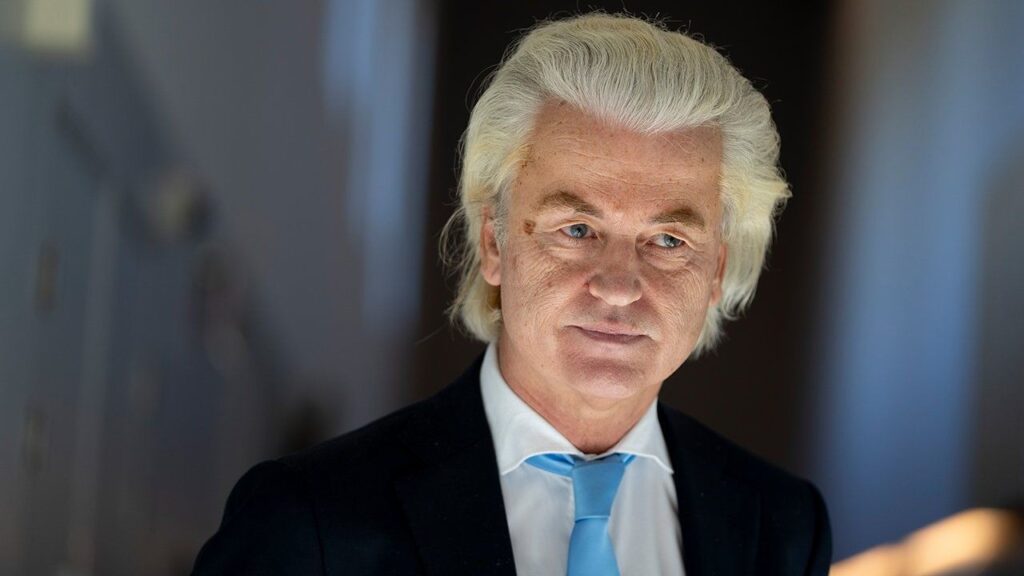
Far-Right Influence Still Shapes Dutch Politics
Even though Wilders is no longer in power, his ideas dominate public debate. His anti-immigration stance, calls for stricter asylum controls, and criticism of multiculturalism have pushed the entire political spectrum to the right.
Both conservative and centrist parties have adopted tougher positions on immigration and national security to avoid losing voters to the PVV. Issues that were once seen as extreme are now part of mainstream political discussion.
“The Netherlands has shifted rightward even without Wilders in office,” said de Jong. “His movement has redefined what’s politically acceptable.”
Catherine Connolly: How the Anti-Establishment Candidate Won the Irish Presidency
A Ripple Effect Across Europe
Wilders’ fall has implications beyond the Netherlands. Across Europe, populist movements — from Italy’s League party to France’s National Rally — have drawn inspiration from his brand of politics.
His inability to hold a government together has become a cautionary tale for similar movements. However, analysts say the popularity of right-wing ideas remains strong, reflecting wider dissatisfaction with globalization and traditional institutions.
EU leaders have welcomed the end of Wilders’ government, seeing it as a chance to rebuild relations with The Hague. Still, they remain cautious as nationalist parties continue to gain traction across the continent.
What’s Next for Geert Wilders?
Despite his political setback, Wilders remains a major figure in Dutch politics. He has vowed to rebuild his movement and return stronger in the next election.
In a recent rally, he told supporters, “They can remove me from office, but they cannot silence the people. The fight for Dutch values continues.”
Polls suggest that Wilders still commands a loyal base, particularly among voters in rural and working-class areas. Many see him as the only politician willing to challenge the status quo and defend national interests.
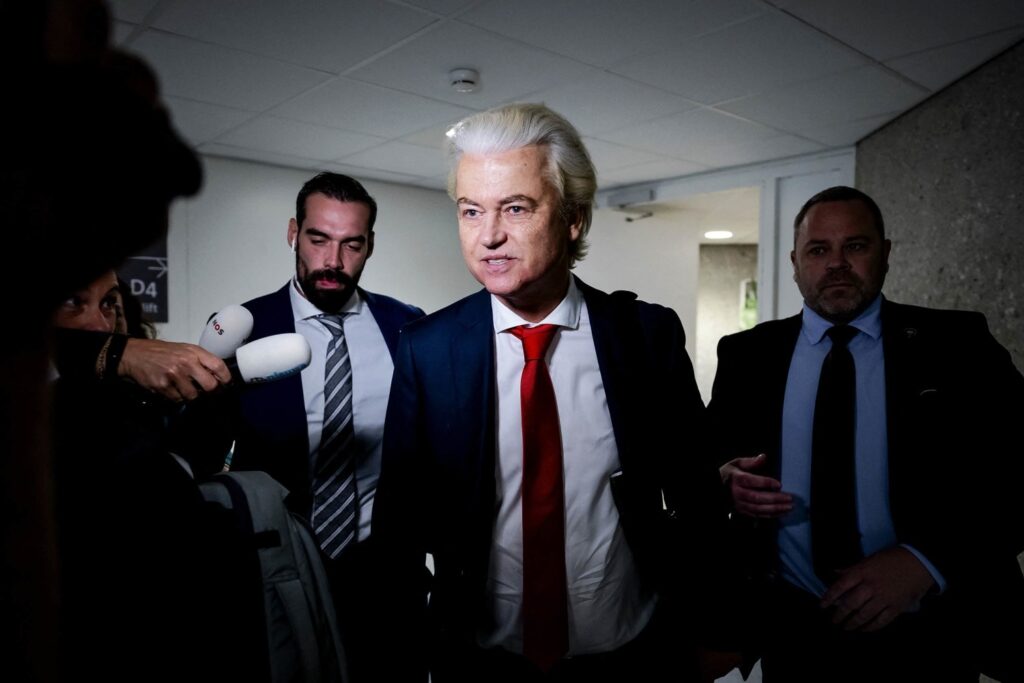
For now, the Netherlands is led by a transitional government, but the shadow of Wilders looms large. His rise and fall highlight a larger truth about European politics — that the far-right movement, even when defeated, continues to shape the agenda from the sidelines.
Frequently Asked Questions (FAQ)
1. Who is Geert Wilders?
Geert Wilders is a Dutch politician and leader of the Party for Freedom (PVV). He is known for his strong stance against immigration and the European Union, as well as his populist “Dutch-first” political agenda.
2. Why did Geert Wilders’ government collapse?
Wilders’ coalition government fell apart due to internal disputes over immigration policies, climate spending, and relations with the European Union. Several ministers resigned, leading to the collapse of the administration in mid-2025.
3. Is Geert Wilders still active in politics?
Yes. Although he is no longer in power, Wilders continues to lead the PVV and remains a vocal critic of mainstream political parties. He has also expressed plans to contest the next election.
4. How has Geert Wilders influenced Dutch politics?
Even after leaving office, Wilders’ far-right ideas continue to shape Dutch politics. Many mainstream parties have adopted tougher stances on immigration, security, and cultural issues in response to his movement’s popularity.
5. What impact has Wilders had on Europe’s far-right movements?
Wilders’ rise inspired similar populist movements across Europe, including those in France, Italy, and Germany. His leadership showed how nationalist rhetoric could influence public opinion and policy debates within the European Union.
6. What’s next for the Netherlands after Wilders’ fall?
The Netherlands is currently led by a transitional government as new elections are planned. Political analysts expect continued debate over migration, EU policy, and national identity — issues that Wilders helped bring to the forefront.