
Busan, South Korea: U.S. President Donald Trump met with Chinese President Xi Jinping during his Asia trip this week. Both leaders described the meeting as productive and “amazing,” saying it led to major progress on trade and cooperation between the two largest economies in the world.
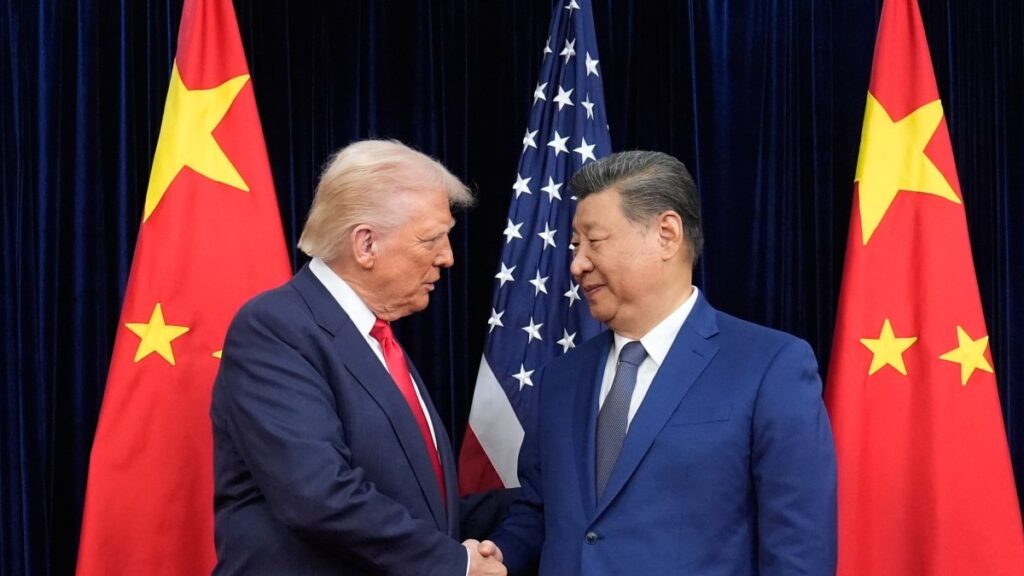
According to reports from The Guardian, Reuters, and The Washington Post, the talks focused on tariffs, rare earth minerals, and global drug trafficking. The meeting was one of the most anticipated moments of Trump’s Asia visit, held in Busan, South Korea, where both countries agreed to continue discussions in the coming months.
Key Agreements Between the U.S. and China
- Tariff Reduction: President Trump confirmed that U.S. tariffs on Chinese goods would be reduced from 57% to 47%, while China agreed to resume large-scale imports of American soybeans.
- Rare Earth Minerals: China promised to delay restrictions on exporting rare earth elements — materials vital for manufacturing electric vehicles and technology products.
- Drug Cooperation: China also committed to working with the U.S. to limit the export of chemicals used to produce fentanyl, a deadly synthetic drug linked to thousands of overdose deaths.
Although the discussions were positive, no mention was made of Taiwan, one of the most sensitive issues in U.S.–China relations.
Trump’s Reaction After the Summit
After leaving South Korea, President Trump called the meeting “a 12 out of 10” when speaking to reporters aboard Air Force One. He said the talks went even better than expected and hinted that he could travel to China in 2026 for another round of negotiations.
Trump also mentioned that he “might return to meet North Korean leader Kim Jong Un” later during his Asia trip, suggesting that this visit could mark a broader diplomatic effort in the region.
Why This Meeting Matters
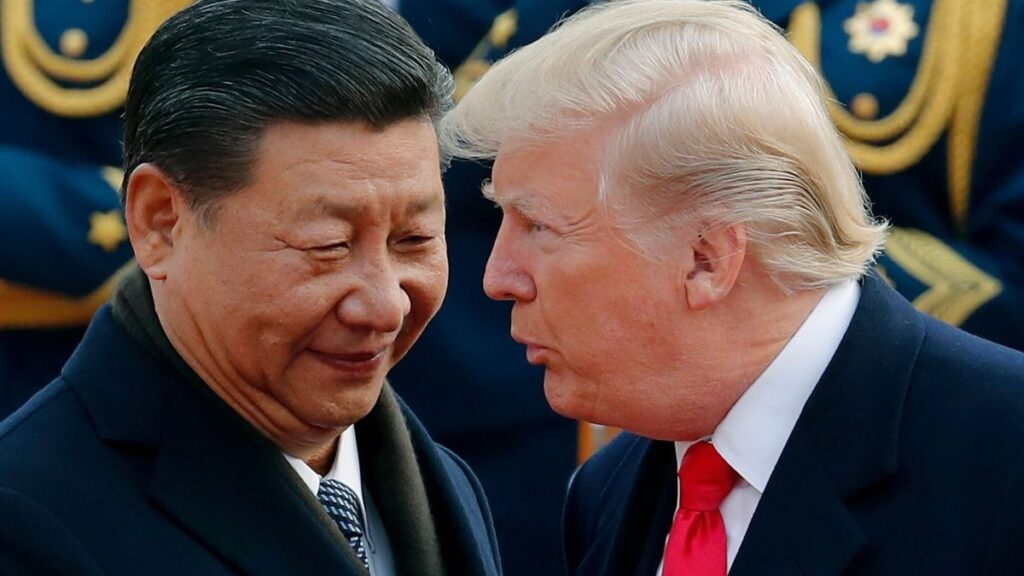
The summit between Trump and Xi marks a major moment in the tense U.S.–China relationship. In recent years, both countries have faced trade disputes, technology restrictions, and growing political differences.
Analysts say the agreements on trade and rare earth exports could help stabilize global markets. It may also bring some relief to manufacturers who have struggled with high tariffs and supply chain issues. However, many experts note that this is only the first step toward a full trade resolution — key issues like advanced technology, security, and Taiwan remain unresolved.
Japan Deals With the Price of Playing to Trump: $550 Billion
What’s Next for U.S.–China Relations
Both governments are expected to release more details in the coming weeks about the agreements. U.S. and Chinese trade teams will reportedly meet again in early 2026 to finalize new terms and ensure compliance.

If the agreements hold, the global economy could see more stability and reduced pressure on inflation. But experts caution that long-term cooperation will depend on how both sides handle remaining disputes.
Frequently Asked Questions (FAQ)
Q1. What was the purpose of Trump’s meeting with Xi Jinping?
The meeting aimed to rebuild U.S.–China relations by discussing trade, tariffs, rare earth minerals, and drug control cooperation.
Q2. Did they talk about Taiwan?
No. Both sides avoided discussing Taiwan, which remains one of the most sensitive issues between the U.S. and China.
Q3. What deal was made about rare earth minerals?
China agreed to delay export restrictions, ensuring continued supply for U.S. industries that depend on rare earth materials.
Q4. Will this meeting end the trade war?
Not yet. This meeting represents an important step forward, but a complete resolution will require further negotiations.
Q5. What did Trump say after the meeting?
Trump described the summit as “amazing” and rated it “12 out of 10,” signaling optimism about future cooperation with China.