
Donald Trump Claims US Can “Blow Up the World 150 Times” — America Tops Global Power Rankings
In yet another powerful statement, former US President Donald Trump has reignited global debate with his recent claim:
“The United States has enough nuclear weapons to blow up the world 150 times — we are number one.”
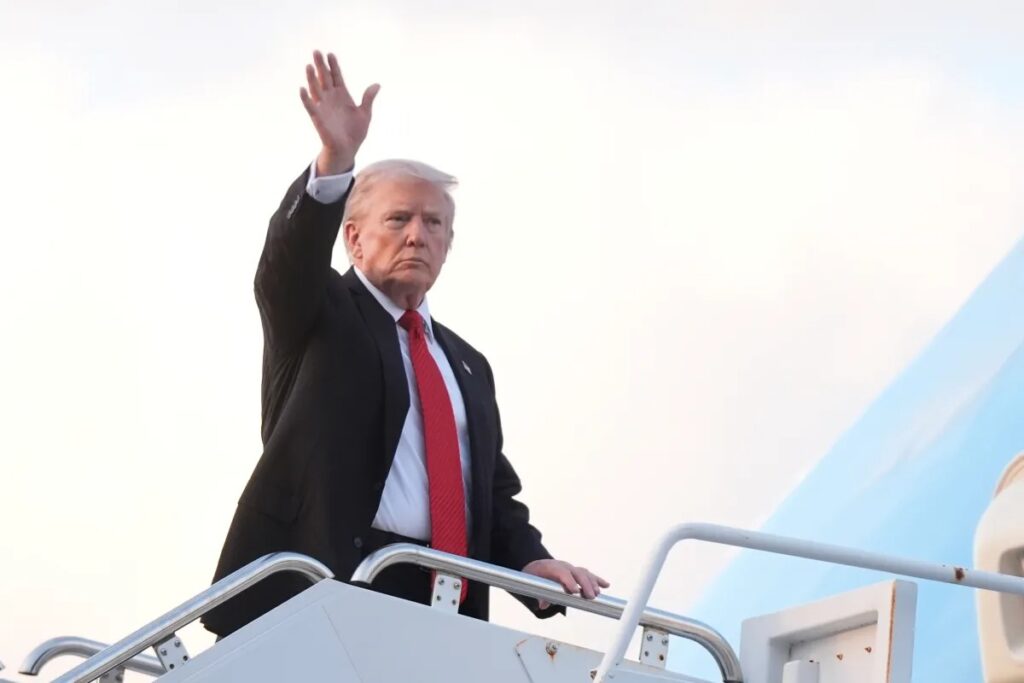
The remark quickly spread across media platforms, stirring discussions about America’s military dominance and the future of global security. Known for his confident and often controversial comments, Trump’s words once again placed the U.S. military’s strength at the center of attention.
💬 Trump’s Statement: Power, Pride, or Political Strategy?
While addressing a crowd, Trump emphasized that America’s defense capabilities remain unmatched, claiming that no other country comes close to the U.S. in terms of nuclear power and technology.
For Trump’s supporters, this statement reflects national pride and deterrence strength — a reminder that the U.S. remains a global protector. For critics, however, it sparks concerns about aggressive rhetoric and the risk of escalating global tensions.
⚙️ The Reality Behind the Claim
While “150 times” may sound exaggerated, Trump’s statement isn’t entirely baseless. Experts estimate that the United States holds around 5,000 nuclear warheads, including both active and reserve stockpiles.
The U.S. also maintains a nuclear triad system:
- Land-based missiles (ICBMs) for long-range strikes
- Submarine-launched missiles (SLBMs) for stealth deterrence
- Strategic bombers equipped with nuclear payloads
Together, these systems ensure the U.S. can respond swiftly to any nuclear threat — reinforcing its position as a global military superpower.
🌍 Global Reaction
Trump’s declaration drew mixed reactions internationally.
- Supporters hailed it as a sign of American confidence and deterrence.
- Critics labeled it reckless and provocative, warning it could strain relations with nuclear-armed nations like Russia and China.
Still, one thing is clear: whenever Trump speaks about defense or nuclear strength, the world listens closely.

⚖️ The Global Power Rankings
Analysts consistently place the United States at the top of global military rankings. According to most defense experts, the current order stands as:
- 🇺🇸 United States – unmatched technology and global reach
- 🇷🇺 Russia – vast nuclear arsenal, though less modern
- 🇨🇳 China – growing nuclear capacity and defense influence
- 🇮🇳 India – expanding defense strength and partnerships
- 🇬🇧 United Kingdom – strong naval and air power
Trump’s comment, though dramatic, reinforces America’s unquestionable global dominance.
Donald Trump and Xi Jinping Hold ‘Amazing’ Meeting in South Korea — Trade Deal and Rare Earth Agreement Reached 2025
💭 Beyond the Statement
As the U.S. gears up for another heated election cycle, Trump’s words could be part of a larger political narrative — one focused on restoring “America First” ideals. His message combines strength, sovereignty, and security, themes that deeply resonate with his voter base.

Still, the conversation also revives an old truth: nuclear power is both a source of pride and a symbol of danger.
❓ Frequently Asked Questions (FAQ)
1. What exactly did Donald Trump say about nuclear weapons?
Trump stated that the U.S. has enough nuclear weapons to “blow up the world 150 times” and that the country remains the number one global power.
2. Is Trump’s claim accurate?
Not entirely. The U.S. does have a large nuclear arsenal — around 5,000 warheads — but “150 times” is more of a figurative expression of dominance rather than a factual count.
3. Why did Trump make this statement now?
It appears to be part of his ongoing political messaging as he continues to shape public discussion around national strength and global leadership.
4. How did other countries respond?
While U.S. supporters celebrated the comment, some foreign analysts criticized it, saying such rhetoric can heighten global military tensions.
5. What does this mean for global security?
The statement underscores the ongoing importance of nuclear diplomacy. While it highlights America’s power, it also reminds the world of the urgent need for peace and restraint in nuclear affairs.