
The Oscar-winning director explains how her neurodivergence shapes her creative vision
Oscar-winning director Chloé Zhao, known for Nomadland and Eternals, recently spoke candidly about the challenges of Hollywood and how her neurodivergence has influenced her filmmaking style. Zhao, acclaimed for her lyrical storytelling and authentic portrayal of characters, described her approach as embracing ambiguity — a trait she feels Hollywood often struggles to preserve.
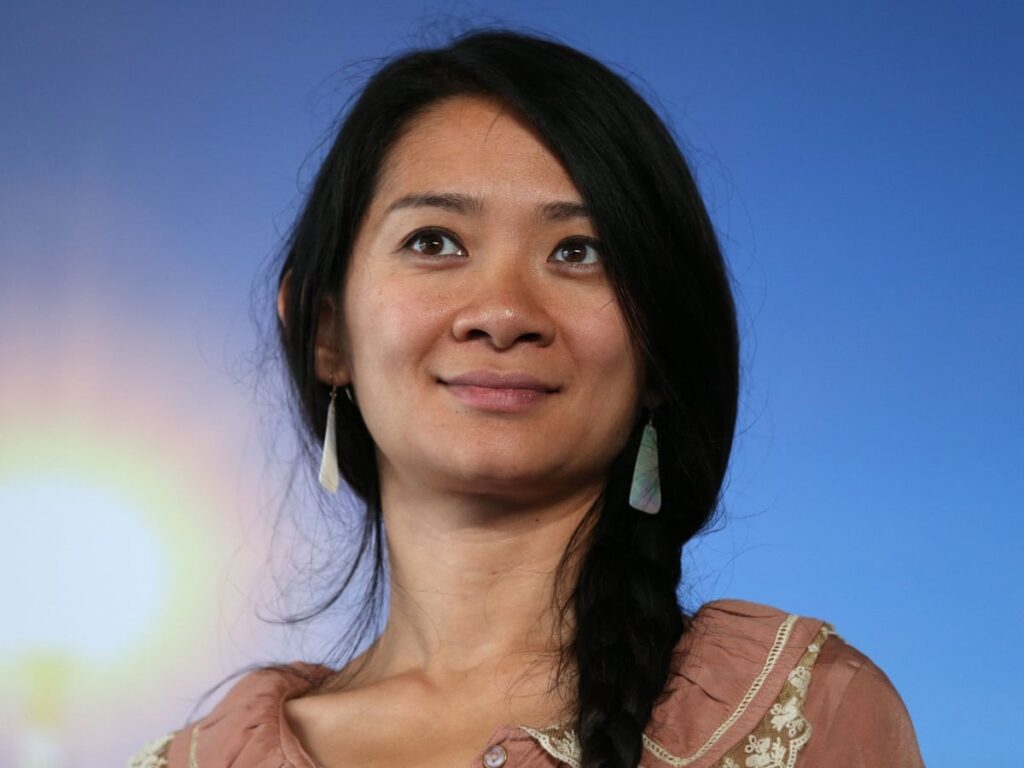
Embracing Ambiguity in Storytelling
In a recent interview, Zhao emphasized that films should leave room for interpretation, allowing audiences to engage with the story on a personal level. “Hollywood is not very good at preserving the language of ambiguity,” Zhao said. She explained that mainstream studios often prioritize clear-cut narratives, marketing-friendly endings, and formulaic structures, which can stifle creative risks.
For Zhao, ambiguity is not a flaw but a vital storytelling tool. Her films often feature open-ended scenes, naturalistic dialogue, and characters whose motivations are intentionally subtle. This approach invites viewers to reflect and interpret, creating a more immersive and emotionally resonant experience.
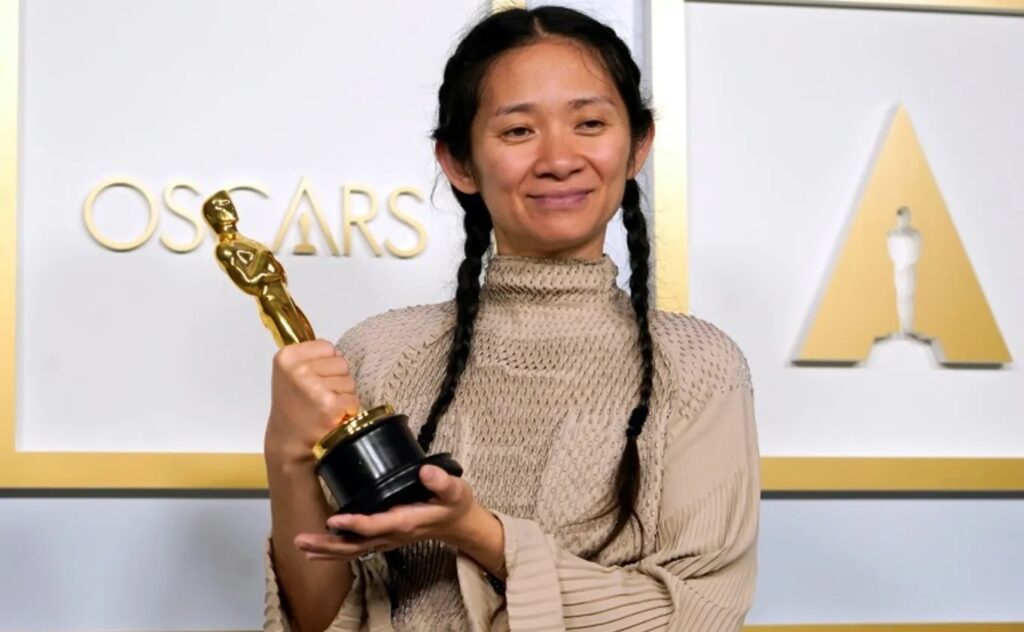
Neurodivergence as a Creative Superpower
Zhao also revealed that her neurodivergence has been instrumental in shaping her unique perspective. She described it as her “superpower” in filmmaking, allowing her to notice nuances, perceive details, and connect deeply with human experiences that others might overlook.
“I’ve always seen the world a little differently,” Zhao said. “That perspective helps me explore characters and situations in ways that feel authentic and meaningful.” By embracing her neurodivergent thinking, Zhao challenges conventional storytelling norms and encourages audiences to question assumptions about narrative, identity, and human behavior.
Brad Pitt and Ines de Ramon Are ‘Fully Living Together’ and Planning for the Future
Pushing Boundaries in Hollywood
Zhao’s career has consistently demonstrated her willingness to take risks. From her minimalist, contemplative approach in Nomadland to her expansive, action-packed vision in Eternals, she adapts her storytelling to suit the story, rather than conforming to industry expectations. Her success shows that creative authenticity can thrive even within a system that often prioritizes commercial predictability.
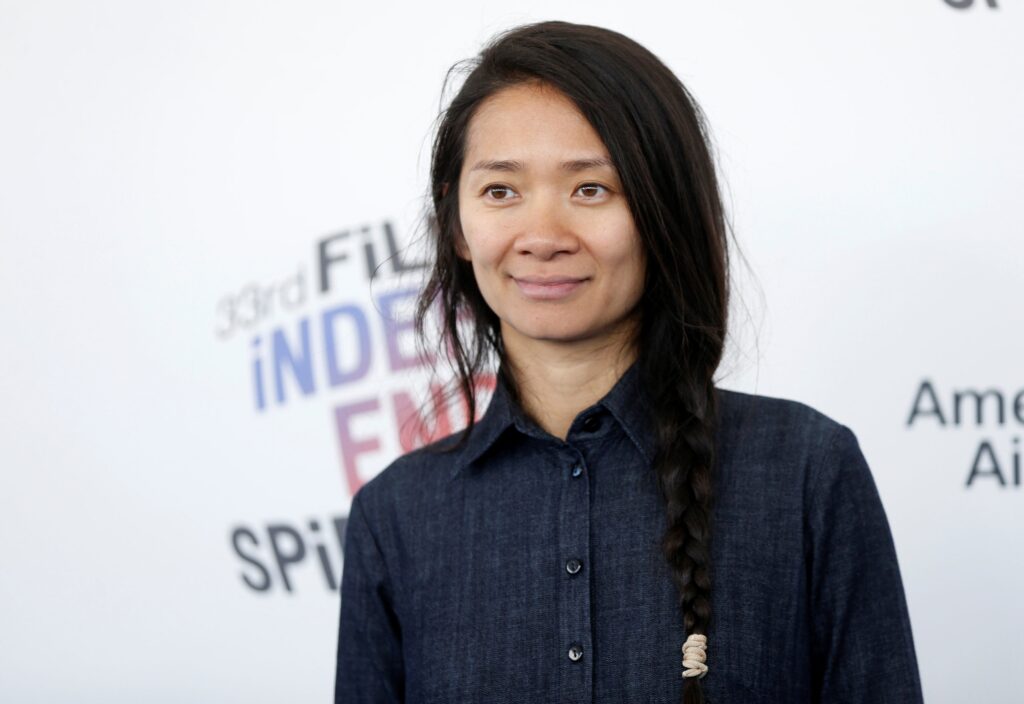
As the director continues to develop new projects, Zhao’s philosophy remains clear: film should reflect the complexity of real life, with all its uncertainties, contradictions, and subtleties. By leaning into ambiguity and her neurodivergent perspective, Zhao is not only redefining what mainstream cinema can achieve but also inspiring a new generation of filmmakers to embrace their unique voices.