

Chile’s 2025 Presidential Election: A High-Stakes Battle Between Left and Right
Chile stands on the edge of a dramatic political moment. The 2025 presidential election, held under the shadow of rising crime and immigration concerns, pits far-right rhetoric against left-wing ideals, and the winner will set the tone for the country’s next era.

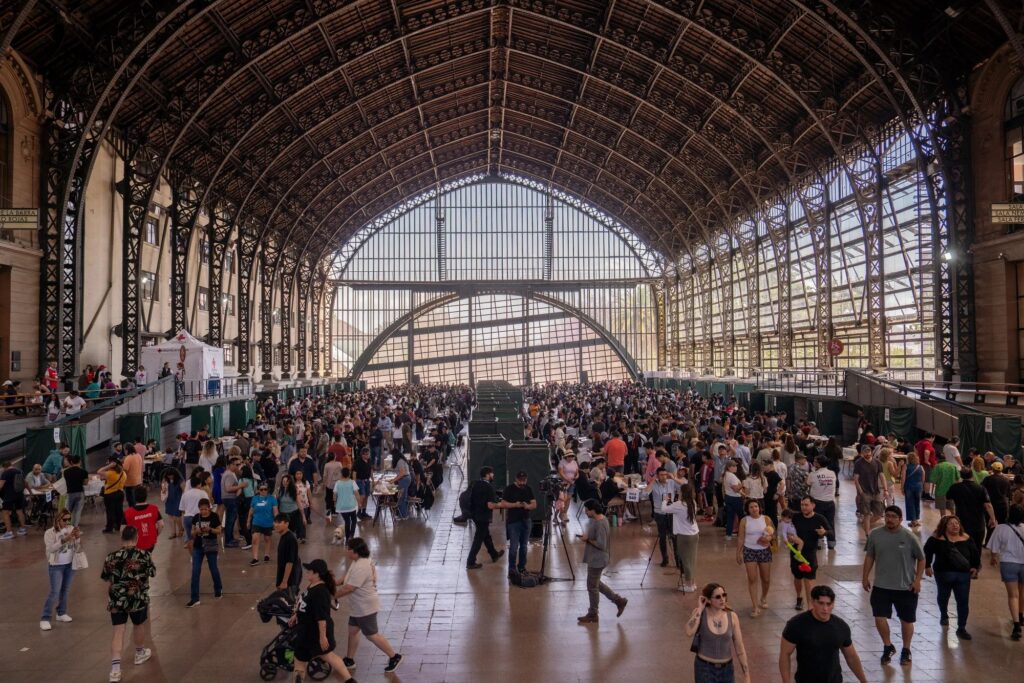
In this week’s vote, voters are choosing between two strikingly different futures — and the stakes could not be higher.
🔎 Key Players: Who’s Running and Why It Matters
Jeannette Jara
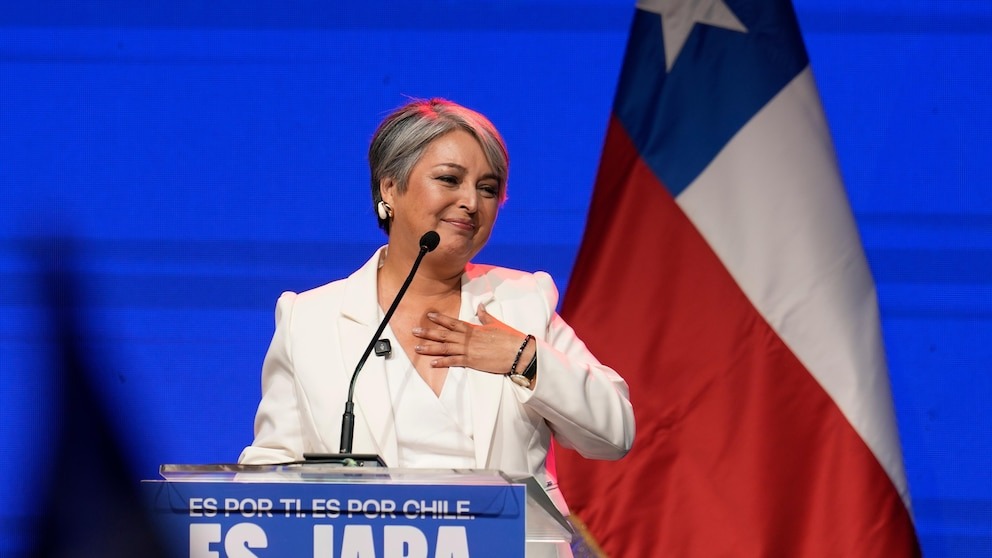
Jeannette Jara emerged as a clear figure for the left. A former labor minister and a member of the Communist Party, she won over 60% in her coalition’s recent primary. She’s campaigning on a platform of social justice, stronger worker protections, and an expanded social safety net. Her roots in progressive reform give her credibility, but her ideology also raises eyebrows among more moderate voters.
José Antonio Kast
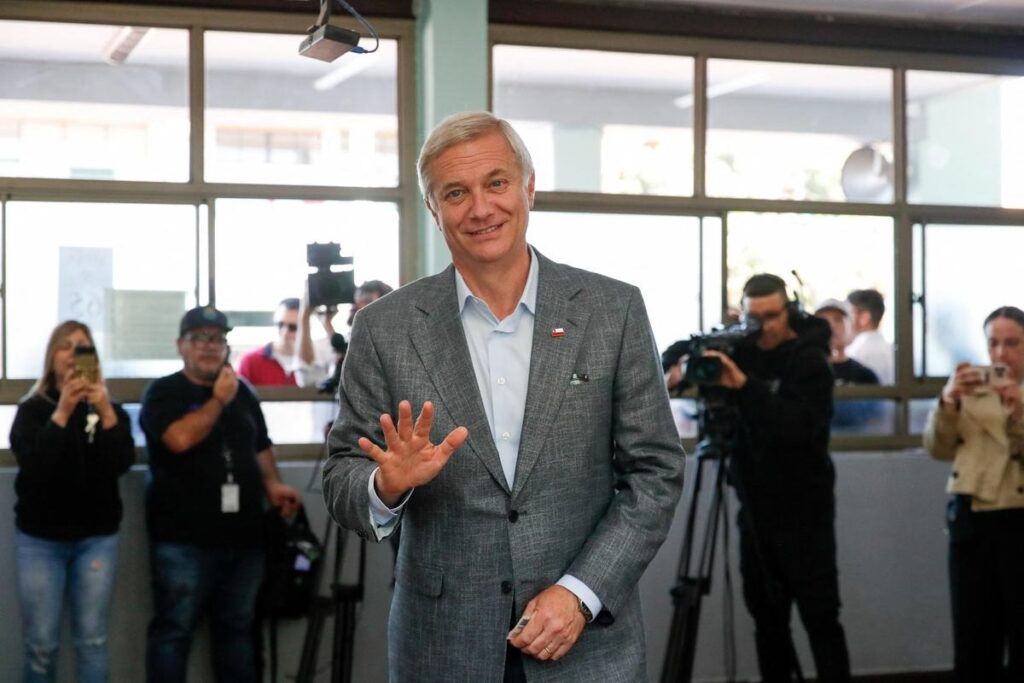
On the other side stands José Antonio Kast, a veteran conservative politician who leads the ultraconservative Republican Party. He’s capitalizing on widespread public anxiety over crime and illegal immigration. His hard-line proposals — from tougher border security to law-and-order crackdowns — strike a chord with voters who feel left behind by the current administration.
Other Contenders
The race isn’t simply a binary clash. Johannes Kaiser, a libertarian firebrand, also runs with radical proposals on shrinking the state and rethinking Chile’s ministries. Meanwhile, Evelyn Matthei, the traditional right-wing contender, maintains support from more moderate conservatives — giving the election a deeply fragmented right wing.
📈 What the Latest Polls Tell Us
- Recent polling from Chile’s CEP study shows a tight race: both Jara and Kast are polling around 23%, suggesting a likely runoff scenario.
- In run-off simulations, some pollsters suggest Kast could gain a decisive edge, especially if other right-wing voters consolidate behind him.
- This year’s election is the first in a while with automatic voter registration and compulsory voting, and experts say this will amplify turnout and could dramatically reshape the electorate.

🔥 Why This Election Feels Different
1. Polarization Is Deep
This isn’t a normal center-left vs. center-right contest. The extremes are strong, and the middle is fragile. Many voters see no “safe” choice — only very different ones.
2. Security & Migration Are Dominating
Public concern over crime, gang violence, and migration — especially from Venezuela — is fueling demands for a tough approach. Many voters see this election as a referendum on law and order.
3. A New Chapter for Democracy
With Chile’s economy burdened by inequality and corruption, citizens see this vote as more than ideological — as a chance to reset. Whoever wins will likely define the country’s direction on reforms.
4. High Turnout Expected
Thanks to reintroduced compulsory voting, the electorate this year will be broader and more diverse than usual. New and previously disengaged voters are expected to play a decisive role.
⚠️ Key Risks & Uncertainties
- Coalition Fragility: Even if Jara or Kast wins, neither may hold a solid Congress majority, potentially paralyzing their agenda.
- Economic Pressures: Promises from both sides must tackle wage stagnation, housing affordability, and inflation — no easy task.
- Social Unrest: If crime doesn’t improve quickly, voters may regret choosing a hard-line leader, or turn to vigilante solutions.
- Foreign Relations: The next president’s approach to immigration and regional integration could redefine Chile’s geopolitical posture.
US Elections 2025: Abigail Spanberger Creates History in Virginia as Democrats Sweep Key States
✅ What’s Next?
- A runoff election is likely on December 14, assuming no candidate wins an outright majority.
- Both camps will aggressively court the voters of eliminated candidates, shaping alliances carefully.
- Campaign strategies will focus on security, public services, and public trust, as both sides try to frame their vision for Chile’s future.
🔭 Final Thoughts
Chile’s 2025 presidential election is more than just a vote — it’s a pivotal turning point. With a left-wing challenger backed by labor and reform, facing off against a far-right contender promising “order at all costs,” Chileans are deciding between two fundamentally different futures.
In a polarized climate with high stakes, the outcome won’t just shape policy — it could reshape Chile’s identity. Whether the country leans left or right, the winner will face the monumental challenge of uniting a divided nation.
FAQs — Understanding Chile’s 2025 Election
Q1: When is the Chilean presidential election?
The first round takes place on November 16, 2025, with a runoff expected on December 14 if no candidate wins a majority.
Q2: Who are the main candidates?
The leading contenders are Jeannette Jara (Communist/left) and José Antonio Kast (far right). Other notable candidates include libertarian Johannes Kaiser and conservative Evelyn Matthei.
Q3: What’s driving this election?
Crime, illegal immigration, economic inequality, and discontent with the outgoing government are key issues shaping the race.
Q4: Will turnout be high?
Yes — this election features automatic voter registration and compulsory voting, which is expected to drive up turnout significantly.
Q5: Why is this election so polarized?
Chileans are deeply divided over the country’s direction, with major ideological shifts at play and distrust in traditional centrist solutions.