

Political tension rises as Arizona’s top prosecutor warns Congress to respect certified election results
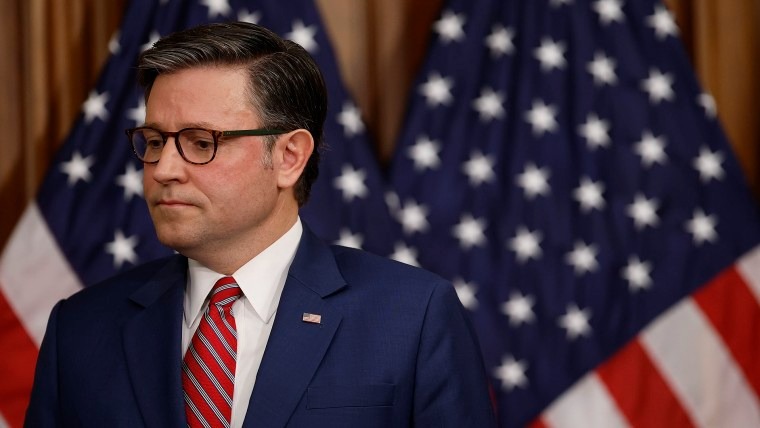
Arizona Attorney General Kris Mayes has issued a strong warning to House Speaker Mike Johnson, threatening possible legal action after the House failed to seat Adelita Grijalva, a Democrat who was lawfully certified as Arizona’s newest U.S. representative.
The dispute stems from Johnson’s reported refusal to administer the oath of office to Grijalva, despite her official state certification following the recent special election. Mayes called the delay a “blatant disregard for constitutional authority” and said Arizona would “take all necessary legal steps” to ensure its duly elected representative is seated.


“The people of Arizona have spoken. Their votes were counted, verified, and certified under state law,” Mayes said in a statement Tuesday. “No political maneuvering in Washington can override the will of Arizona voters.”
Background: A Certified Election Meets Congressional Resistance
Grijalva, the daughter of longtime Arizona congressman Raúl Grijalva, won her race to fill a vacant seat earlier this year. Following the state’s certification of the results, her credentials were sent to the U.S. House, where new members are typically sworn in without delay.
However, multiple reports indicate that Speaker Johnson has withheld formal recognition of Grijalva’s victory, citing ongoing partisan disputes within the House. Critics say the move mirrors similar procedural fights seen in past Congresses, where leadership used administrative authority to delay or challenge election outcomes.
Constitutional Questions and Possible Legal Battle
Mayes, a Democrat, argues that Johnson’s refusal could violate Article I, Section 5 of the U.S. Constitution, which gives states the power to determine election results. Legal scholars note that while the House has the right to judge the “qualifications” of its members, it cannot ignore a certified state election without clear evidence of wrongdoing.

If the impasse continues, Mayes has signaled she may petition a federal court to compel Johnson and the House Clerk to seat Grijalva. Such a move would set up a rare legal showdown between a state government and congressional leadership.
“This is not a partisan issue — it’s a constitutional one,” Mayes emphasized. “The people of Arizona deserve representation in Congress now, not when it’s politically convenient.”
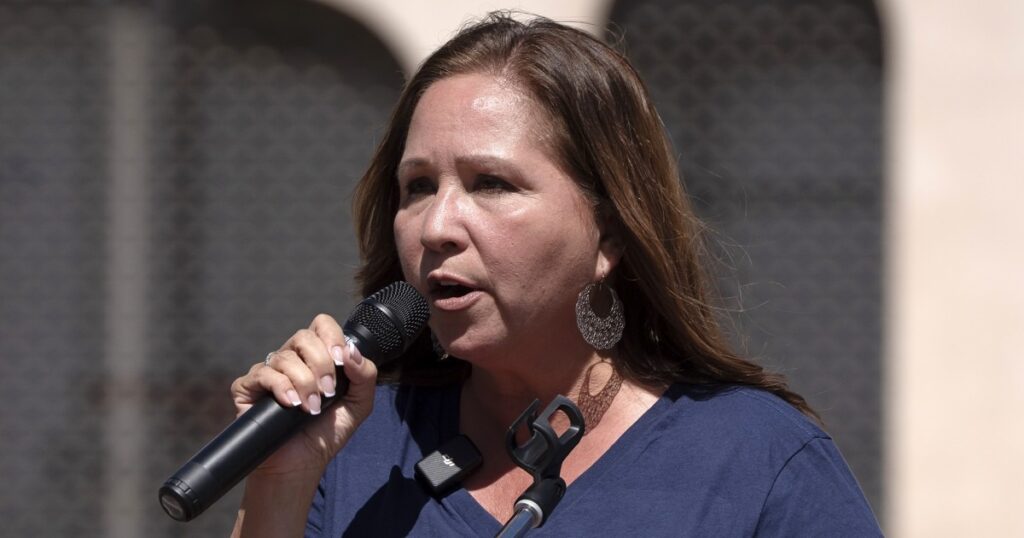
Adelita Grijalva Wins Arizona Special Election, Succeeds Her Late Father in Congress (2025)
Political Fallout and Broader Implications
The standoff adds another layer of tension to a deeply divided House, where narrow majorities have led to procedural gridlock and high-profile confrontations. Democrats have rallied behind Grijalva, calling the situation “anti-democratic and unprecedented.”
Meanwhile, Speaker Johnson’s office has not issued a formal response, though aides have suggested the matter is under review by the House Administration Committee.
If legal action proceeds, it could test the limits of state sovereignty versus federal procedural power — a question that has rarely been litigated in modern political history.

What Comes Next
For now, Adelita Grijalva remains in limbo, waiting for the chance to take her oath and represent her Arizona district. Attorney General Mayes has given Speaker Johnson’s office a short window to act before the state moves forward with formal proceedings.
As the confrontation unfolds, political observers warn that it could become another flashpoint in the national debate over election integrity, federal authority, and voter representation.