

2025 Government Shutdown: Causes, Impact, and What to Expect
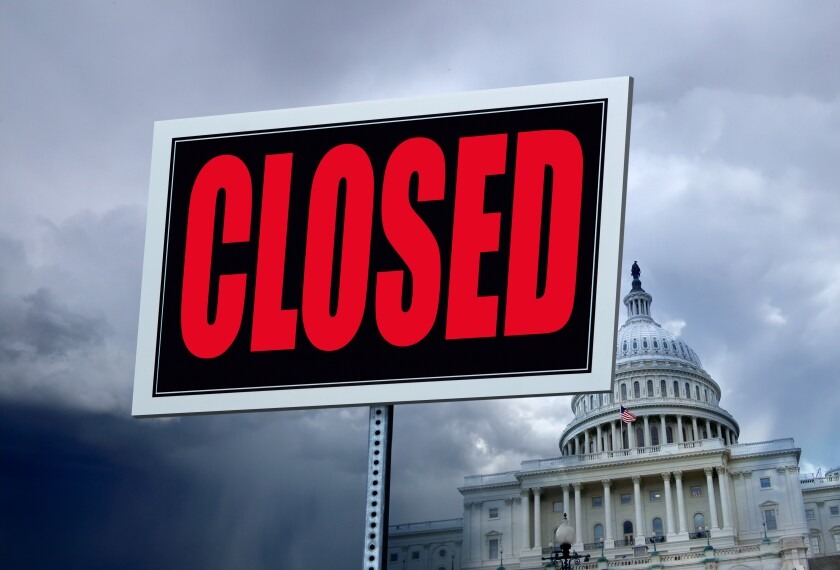
The United States government has officially entered a shutdown after lawmakers in Washington failed to reach a budget deal before the October 1 deadline. This marks the first shutdown in several years and immediately sparked concern for federal workers, public services, and the broader economy.

Why Did the Shutdown Happen?
At the core of the standoff is disagreement over healthcare funding and spending priorities. The House passed a short-term funding bill meant to keep the government open until late November, but it didn’t include Democratic demands to extend healthcare subsidies and reverse proposed cuts to Medicaid.
Meanwhile, the Trump administration directed federal agencies to prepare not only for furloughs but also for potential permanent staff reductions — a harder stance than in past shutdowns.
Impact on Federal Workers and Services
The shutdown affects nearly every corner of government:
- Federal employees: Hundreds of thousands of civilian workers are now furloughed, with many others required to work without pay until Congress passes a new funding bill.
- Air travel: Air traffic controllers and TSA officers remain on duty, but the Federal Aviation Administration has already begun furloughing thousands of staff who support day-to-day operations.
- Public health: The Department of Health and Human Services is scaling back services, leaving only essential programs like Medicare, Medicaid, and emergency response fully staffed.
- Education: Federal student aid programs continue, but new grants and civil rights investigations have slowed significantly.
- National parks: Parks that generate their own revenue may remain open with limited staff, but others could face partial or full closures.


Political Fallout
Both major parties are trading blame for the shutdown. Republican leaders accuse Democrats of stalling negotiations, while Democrats argue that healthcare protections are non-negotiable.
President Trump has backed his administration’s hardline approach, saying the country “needs a reset on runaway spending,” while Democratic leaders counter that ordinary Americans should not suffer because of political gridlock.
Public opinion polls show frustration growing on both sides, with a slight majority indicating that they expect Republicans to carry more of the blame if the shutdown drags on.
Speaker Mike Johnson: Democrats Will Shut Down the Government Just to Satisfy Their Far-Left Base (2025)


What Happens Next?
The length of the shutdown will depend on how quickly lawmakers can find common ground. If it extends for weeks, it could slow the economy, delay government contracts, and cause hardship for federal families who rely on steady paychecks.
For now, essential services — including Social Security payments, military operations, and the postal service — will continue, but the uncertainty is leaving millions of Americans uneasy.