
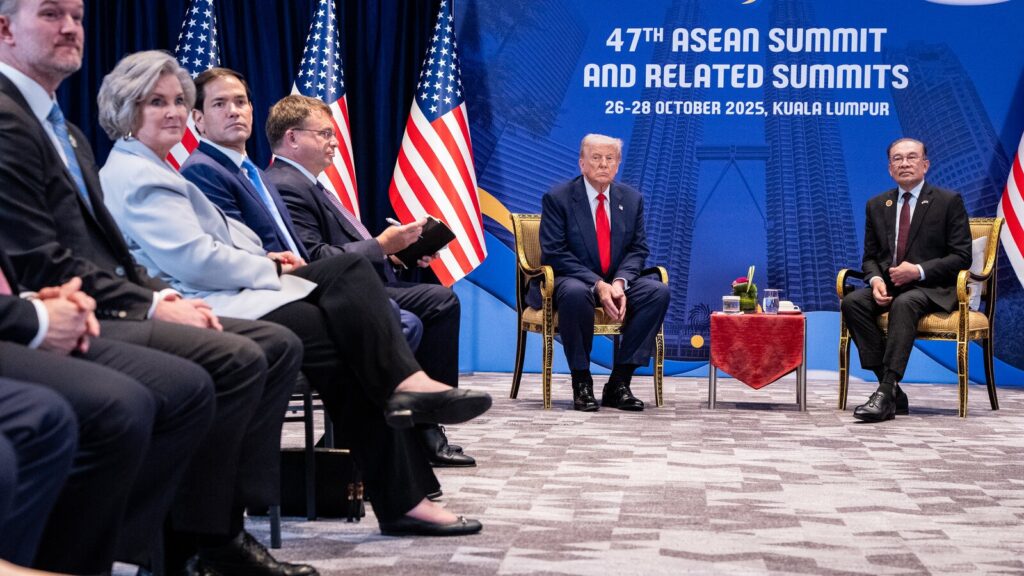
Kuala Lumpur, October 27, 2025 — The United States has signed a series of landmark trade and investment agreements with four Southeast Asian nations — Thailand, Malaysia, Cambodia, and Vietnam — as part of a broader strategy to diversify supply chains and strengthen partnerships in the region.
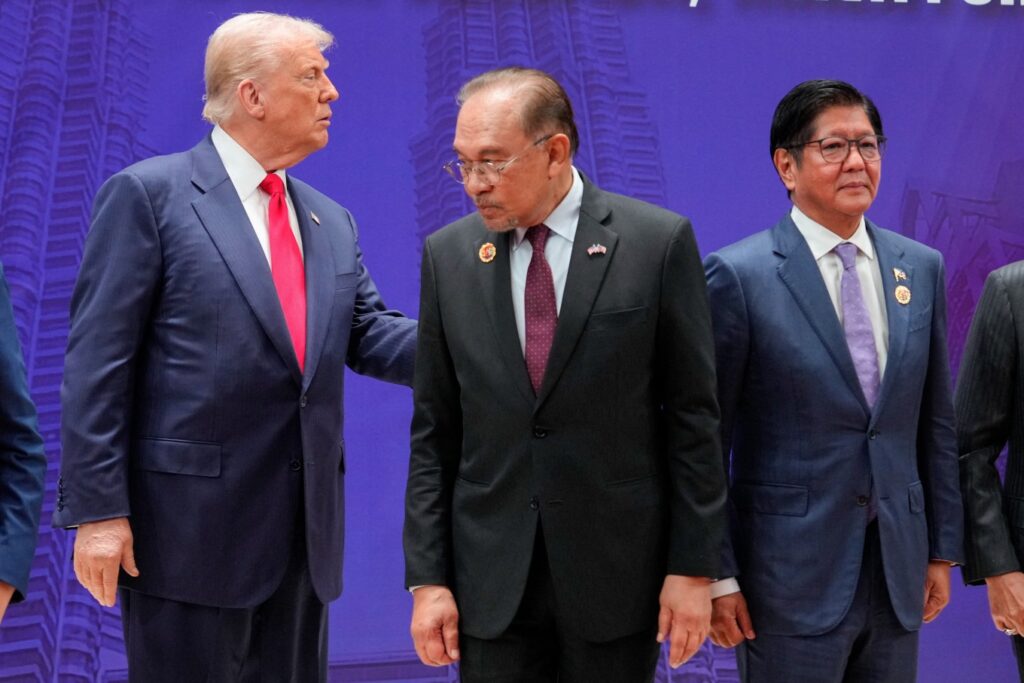
The deals, finalized during U.S. President Donald Trump’s visit to the 47th ASEAN Summit in Kuala Lumpur, aim to reduce trade imbalances, secure access to vital resources, and counter China’s dominance in the global rare earth and critical minerals market.
Strengthening Ties Through Trade
Under the new agreements, Washington will gradually reduce tariffs on selected Southeast Asian goods, while maintaining a 19% average tariff rate on exports from the participating nations. Certain categories of goods could enjoy zero-tariff access to U.S. markets in the coming years.
Vietnam, which reported a $123 billion trade surplus with the U.S. last year, has pledged to increase its imports of American products, helping to narrow the trade gap between the two countries.
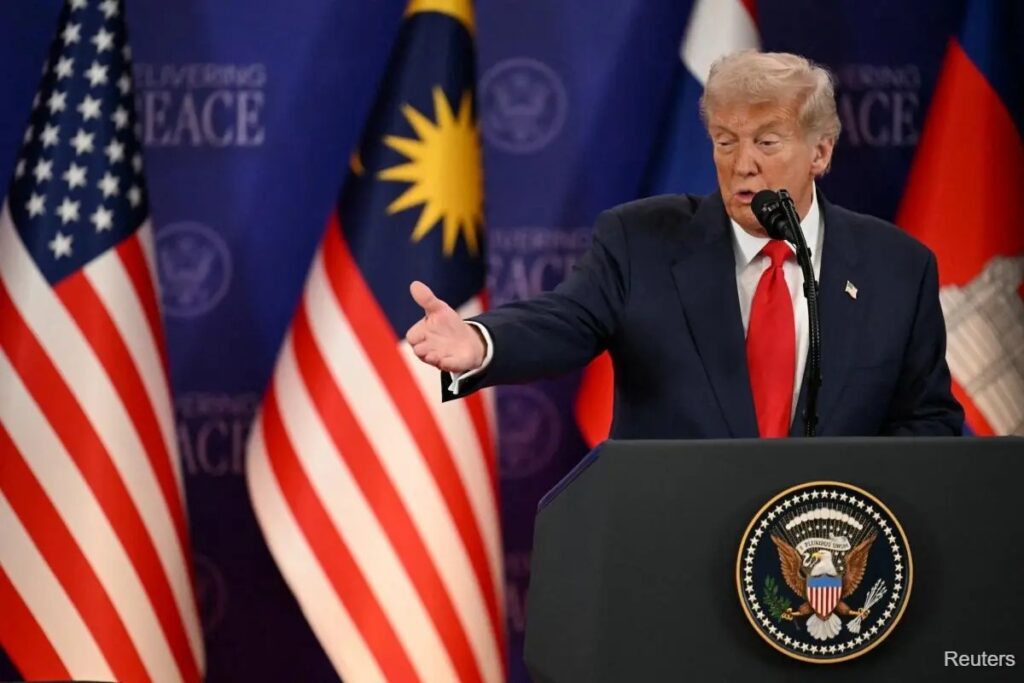
Trump described the agreements as “a step forward in promoting fair trade and long-term cooperation,” adding that they “reflect a shared commitment to economic growth and mutual respect.”
Focus on Critical Minerals
The U.S. also signed two separate pacts with Thailand and Malaysia to expand cooperation on critical minerals and rare earth elements, essential for electric vehicles, defense manufacturing, and semiconductor production.
Malaysia, which holds an estimated 16 million tonnes of rare earth deposits, has agreed not to impose bans or quotas on exports of critical minerals to the U.S. — a move seen as a major step toward ensuring supply chain stability.
“These partnerships will help the U.S. diversify its mineral sources and reduce dependency on China,” said a senior White House official.
China, the world’s largest rare earth producer, has tightened export controls on refining technologies in recent months, prompting global manufacturers to seek new supply channels.
Economic and Strategic Benefits
The agreements also include commitments to promote digital trade, environmental protection, and labor rights, aligning with broader global sustainability goals.
Thailand has agreed to remove tariffs on 99% of goods and relax foreign ownership limits in its telecommunications sector to encourage U.S. investment. The country also confirmed plans to purchase 80 American aircraft worth $18.8 billion and import over $5 billion worth of energy products annually.
Malaysia, meanwhile, secured tariff exemptions for aerospace equipment, pharmaceuticals, palm oil, cocoa, and rubber, while simplifying certification processes for halal products, cosmetics, and medicines.
Cambodia and Thailand also signed a ceasefire agreement, with Trump overseeing the ceremony, marking a diplomatic milestone after months of border tensions.
Donald Trump Says He Wants to Meet Kim Jong Un During Asia Trip
A Boost for U.S.-Asia Relations
Experts say these agreements reinforce Washington’s long-term commitment to the Indo-Pacific and highlight the region’s growing importance in global trade.
“By partnering more closely with ASEAN nations, the U.S. is diversifying its economic and strategic footprint,” said economist Dr. Evelyn Chen. “It’s a message that America is ready to compete — and cooperate — in Asia.”
📌 FAQ
Q1: Which countries signed trade deals with the U.S.?
A1: Thailand, Malaysia, Cambodia, and Vietnam signed trade and mineral agreements with the United States.
Q2: What is the focus of these deals?
A2: The agreements center on reducing trade barriers, expanding critical minerals cooperation, and promoting digital and environmental standards.
Q3: Why are critical minerals so important?
A3: They are essential for electric vehicles, semiconductors, renewable energy, and defense technologies.
Q4: How will these deals benefit Southeast Asia?
A4: They will attract U.S. investment, create jobs, and improve market access for regional exports.
Q5: How does China fit into this picture?
A5: The deals are seen as part of Washington’s effort to reduce dependence on China for rare earths and strengthen its position in the Indo-Pacific.