
Trump Criticism Sparks U.S. Decision to Skip G20 Talks: Clash With South African President Explained
Global politics took a dramatic turn this week after reports surfaced that the United States decided to skip high-level G20 discussions, allegedly due to remarks made by South African President Cyril Ramaphosa about former U.S. President Donald Trump. What began as diplomatic disagreement has now evolved into an international headline — highlighting growing tensions, election-season sensitivities, and the intense spotlight on U.S. foreign relations.
According to political insiders, Washington found Ramaphosa’s recent comments “unnecessary and provocative,” with some U.S. voices describing it as the South African President “running his mouth against Trump” — a phrase that quickly went viral on social media.
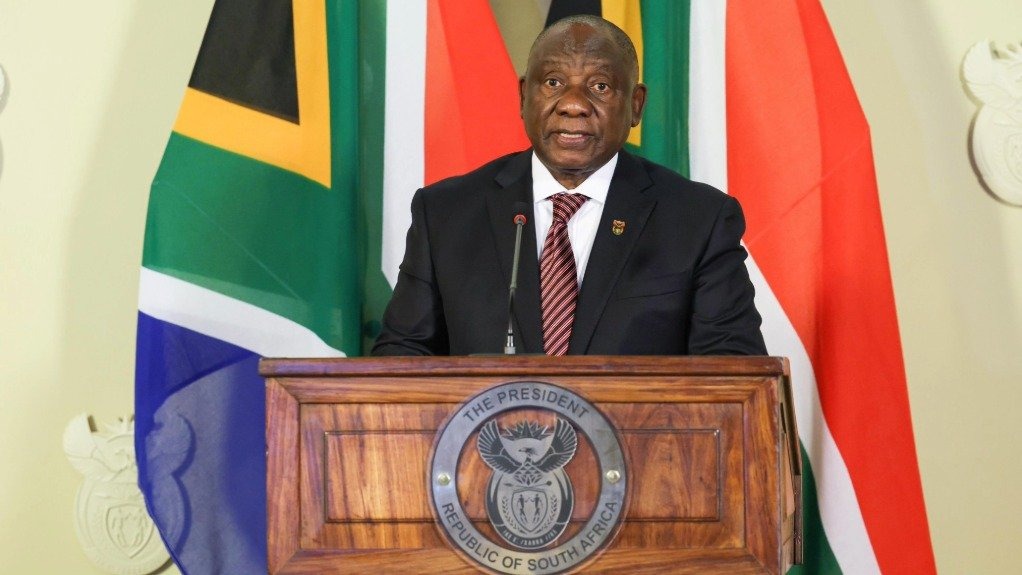
While the U.S. rarely reacts sharply to foreign commentary on American politics, this moment seems to have struck a nerve.
🇺🇸 Why the U.S. Reaction Matters
Skipping a G20 working-level meeting is not a small diplomatic move. It signals:
- Disapproval of public criticism from a global leader
- Rising political polarization ahead of the U.S. 2025 election cycle
- Tighter scrutiny over how allies reference Trump or U.S. politics
- Shifting alliances in global economic discussions
Analysts believe Washington wants to send a subtle message: keep domestic U.S. politics out of international rhetoric.
🇿🇦 What Did President Ramaphosa Reportedly Say About Trump?
Though the full remarks have not been officially released, sources suggest Ramaphosa made:
- Critical references to the Trump era
- Comments framing Trump’s potential return as “a global concern”
- Observations about the volatility of U.S. policy under his leadership
These statements apparently irritated several U.S. officials, especially Trump-aligned policymakers who remain influential even outside the White House.
Social media amplified the controversy, with American commentators accusing Ramaphosa of “interference” and “public grandstanding.”

🌍 Global Reaction: A Diplomatic Chill or Just Political Noise?
International reaction has been mixed:
- Some countries viewed the U.S. decision as overly sensitive, especially given the G20’s focus on global cooperation.
- Others argue that foreign leaders must remain cautious when commenting on powerful political figures in the U.S.
- A few analysts called the moment “pure election-year optics.”
Despite the drama, both countries remain key trade partners, and long-term relations are unlikely to be significantly damaged.
But the temporary friction highlights a larger trend — global leaders are increasingly vocal about U.S. politics, and the U.S. is becoming more reactive in return.
🔥 Why This Story Is Trending
This controversy is gaining massive attention because it combines:
- A major global forum (G20)
- A bold statement from a major African leader
- The highly polarizing figure of Donald Trump
- U.S. diplomatic pressure
- A social-media–ready phrase (“running his mouth”)
In today’s media environment, any political clash linked to Trump spreads quickly — especially when it involves international leaders.
Trump, Melania Welcome Saudi Crown Prince to White House — With Elon Musk, Ronaldo, and More in Attendance
🧭 What This Means Going Forward
The G20 is designed for cooperation, but political tensions can easily spill into public discourse. The U.S.–South Africa tension may signal:

- A more defensive American approach to global criticism
- A shift in how countries speak publicly about U.S. leadership
- A growing divide between Western powers and emerging nations
Whether this snowballs into a bigger diplomatic rift depends on how both governments handle the next round of G20 meetings.
For now, it’s a stark reminder that in global politics, one comment can send shockwaves across continents — especially when it involves Donald Trump.
FAQs
1. Why did the U.S. reportedly skip the G20 talks?
According to political insiders, U.S. officials were displeased with South African President Cyril Ramaphosa’s critical comments about Donald Trump, prompting them to skip certain G20 discussions.
2. What did Ramaphosa say about Trump?
While exact wording hasn’t been officially released, reports suggest he criticized Trump’s leadership style and raised concerns about his potential return to power, which triggered the U.S. reaction.
3. Did the U.S. officially confirm this reason?
No official statement has been made by the U.S. government. The controversy is based on insider reports and diplomatic sources.
4. Is this incident expected to affect U.S.–South Africa relations?
Long-term relations are unlikely to be significantly harmed, but the episode adds temporary friction and highlights growing political sensitivity.
5. Why is this news trending worldwide?
The story involves global diplomacy, a high-profile leader, and Donald Trump — a combination that quickly grabs international media and social media attention.
6. Could this escalate at future G20 meetings?
That depends on how both governments address the tension, but analysts believe the situation may cool down before the next major summit.
Your point of view caught my eye and was very interesting. Thanks. I have a question for you.