
Melissa Gilbert Slams Megyn Kelly Over Epstein Remarks | #IWasFifteen Movement Sparks Debate
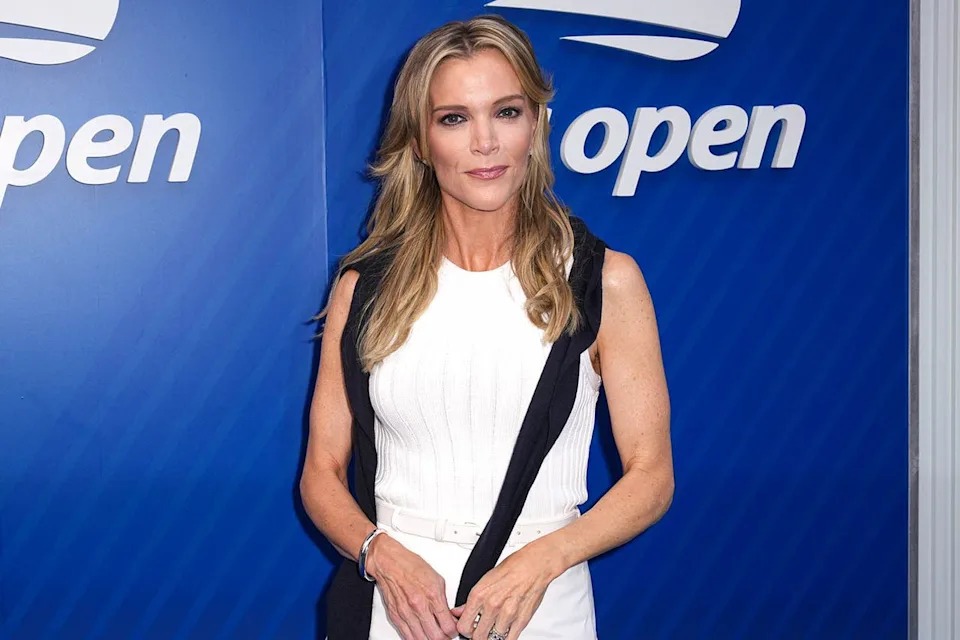
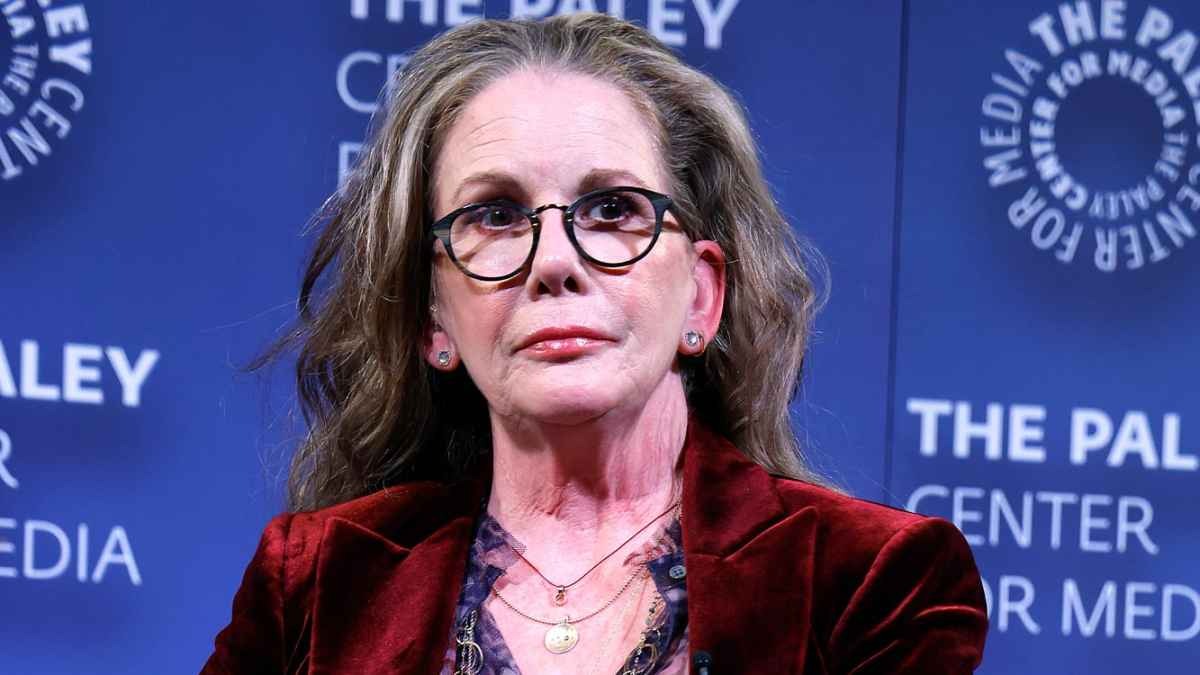
Melissa Gilbert, best known for her role as Laura Ingalls in Little House on the Prairie, issued a powerful and deeply personal rebuke of Megyn Kelly’s recent comments about Jeffrey Epstein’s victims. The controversy has ignited conversations online, and Gilbert’s response is resonating as a reminder of how hurtful words about “barely legal” teens can be.

🔥 What Did Megyn Kelly Actually Say?
On a recent episode of her show, Kelly floated a highly controversial defense: she suggested that Epstein may not fit the clinical definition of a pedophile, based on the assertion that he was into “15-year-old girls” — what she referred to as the “barely legal type.” According to Kelly, someone with deep insight into Epstein’s case told her that Epstein preferred teenage girls, not much younger minors. She stated she understood how “disgusting” it sounded but argued there was a distinction between very young children and older teens.
These remarks sparked widespread backlash.
💥 Melissa Gilbert’s Response
Gilbert took to social media to condemn Kelly’s framing. In a moving post, she shared photos of herself at 15 — including snapshots from behind the scenes of Little House on the Prairie. One image even shows her kissing her costar Dean Butler, who was 23 at the time — a revelation Gilbert now calls “shocking” in hindsight.
She wrote: “I WAS A CHILD. I WAS FIFTEEN.” Her words struck a chord with women using the hashtag #IWasFifteen, a movement spotlighting how young and vulnerable many teens truly are.
Gilbert added she felt “nauseated” by Kelly’s language and issued a direct warning: “@megynkelly you need to be careful with your words.”
👀 Why Her Reaction Hits Hard
- Personal & Authentic
Gilbert isn’t simply critiquing a public figure — she’s revealing her own experience, highlighting how that “barely legal” rhetoric carries real weight for those who were young teenagers once. - Power Behind the Hashtag
By joining the #IWasFifteen movement, Gilbert is helping give voice to people who felt diminished or misrepresented by Kelly’s comments. - Shines Light on the Normalization Issue
The controversy isn’t just about Epstein — it’s about how society talks about age, consent, and the ways adult figures justify or normalize relationships with teenagers. - Push for Accountability
Gilbert’s criticism is a call for more thoughtful, respectful discourse — especially now, when public conversations can shape how we view exploitation and abuse.
🔭 What This Means in the Bigger Picture
- Media Responsibility: Public personalities like Kelly must recognize the impact of their words, especially on issues involving minors.
- Cultural Shift: The backlash indicates a growing intolerance for narratives that minimize teenage exploitation.
- Empowerment Through Truth: Gilbert’s candid sharing adds to a broader cultural reckoning — one where survivors and former child actors speak up and reclaim their stories.
Virginia Giuffre’s Legacy Returns to Spotlight: New Epstein Emails Shake Global Politics
✅ Final Thoughts
Melissa Gilbert’s response to Megyn Kelly shows how personal history and public discourse collide. Her fearless message — “I was a child. I was fifteen.” — cuts deeper than headlines. It underscores a broader truth: youth is not a shield for minimization. Her words demand not just reflection, but care, respect, and responsibility.
📌 FAQs — Gilbert vs. Kelly on Epstein
Q1: Why did Melissa Gilbert call out Megyn Kelly?
Because Kelly suggested Epstein wasn’t a “typical pedophile” since he preferred older teenage girls — a statement Gilbert found deeply troubling, especially given her own teenage experience.
Q2: What is the #IWasFifteen trend?
It’s a social media movement where people share photos and stories about being 15-year-old teenagers, to push back against narratives that normalize adult attraction to minors.
Q3: How old was Gilbert when she filmed Little House on the Prairie?
She was 15 when she filmed a kissing scene with her 23-year-old co-star — an age she now reflects on as being “a child.”
Q4: What does Gilbert want Megyn Kelly to do?
Gilbert urges Kelly to be more careful with her words, especially when discussing sensitive topics like the exploitation of young people.
Q5: Why is this debate important now?
Because it’s part of a larger cultural conversation about how we talk about age, consent, and the language we use when discussing abuse — especially involving teenagers.