
Linda Sarsour: Activist, Muslim-American Leader & Women’s March Co-Chair
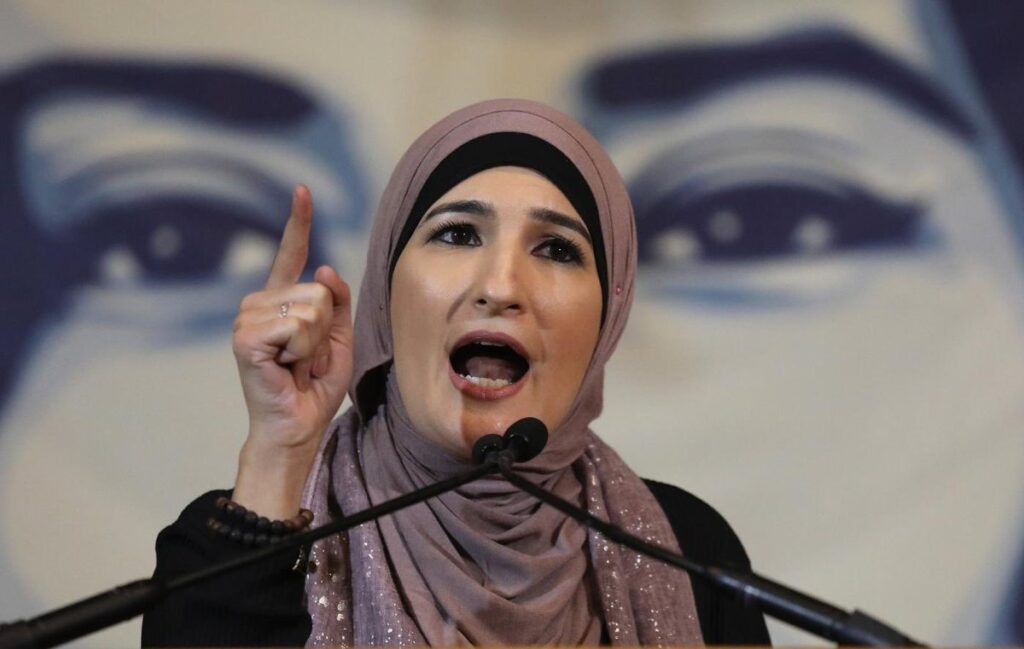
Linda Sarsour was born in 1980 in Brooklyn, New York, to Palestinian immigrant parents. Growing up as the eldest of seven children in Sunset Park, Brooklyn, she learned early on about community, identity and the power of voice. Her heritage and upbringing later shaped the core of her activism.
Rise to Activism & Civil Rights Work
Sarsour began her public-life journey by supporting the civil rights of Muslim Americans after the 9/11 attacks. She took on leadership roles — including executive director of the Arab American Association of New York (AAANY) — where she expanded the organization’s reach from the mid-2000s onward.
Her work quickly moved beyond one community. Linda built solidarity across racial, religious and gender lines: from opposing stop-and-frisk policies to organizing with movements such as Black Lives Matter. Her message centered on intersectionality: that Muslim-American, immigrant and racial-justice issues are deeply connected.
At Mamdani Rally, a Moment of Unity Goes Sideways for Governor Hochul
A Defining Moment: The Women’s March
In 2017, Linda Sarsour gained national prominence when she served as a co-chair of the Women’s March on Washington, one of the largest single-day protests in U.S. history. Her role brought her visibility and influence — she was named among Time magazine’s “100 Most Influential People” that year.
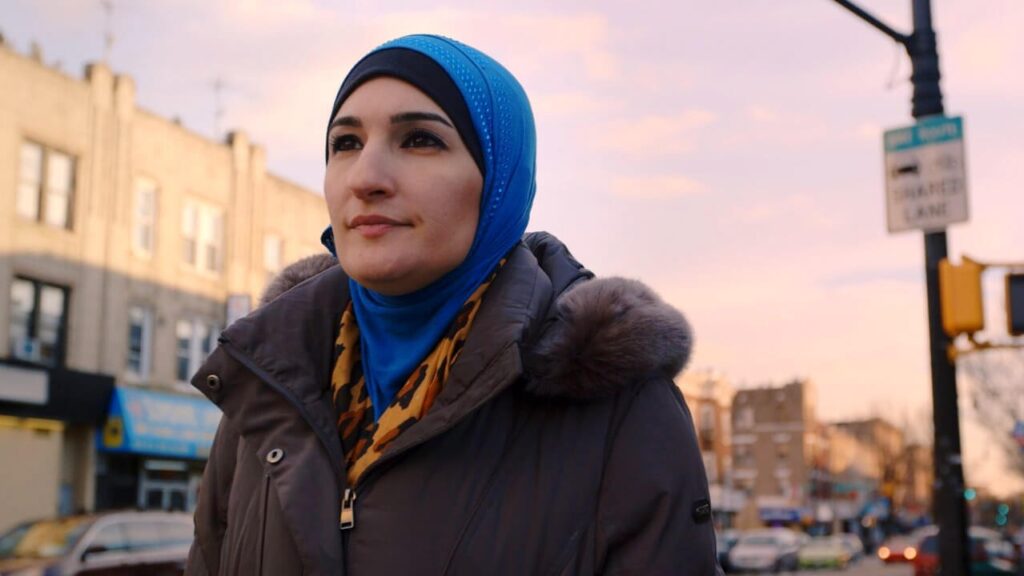
That march also marked a turning point: Linda became a symbol of Muslim-American leadership, challenging stereotypes and showing that activists from diverse backgrounds could lead major national movements.
Controversies & Criticism
With high profile comes high scrutiny. Sarsour has been criticized for her remarks on foreign-policy issues, her stance on Israel and Palestine, and her use of religious language. Some critics argue her approach is polarizing; her supporters say it’s courageous.
Regardless of stance, Linda’s activism raises important questions about what leadership looks like in modern civil-rights movements: Can one person serve many communities? How do identity and politics intersect?
Impact & Legacy
Linda Sarsour’s influence spans several important areas:
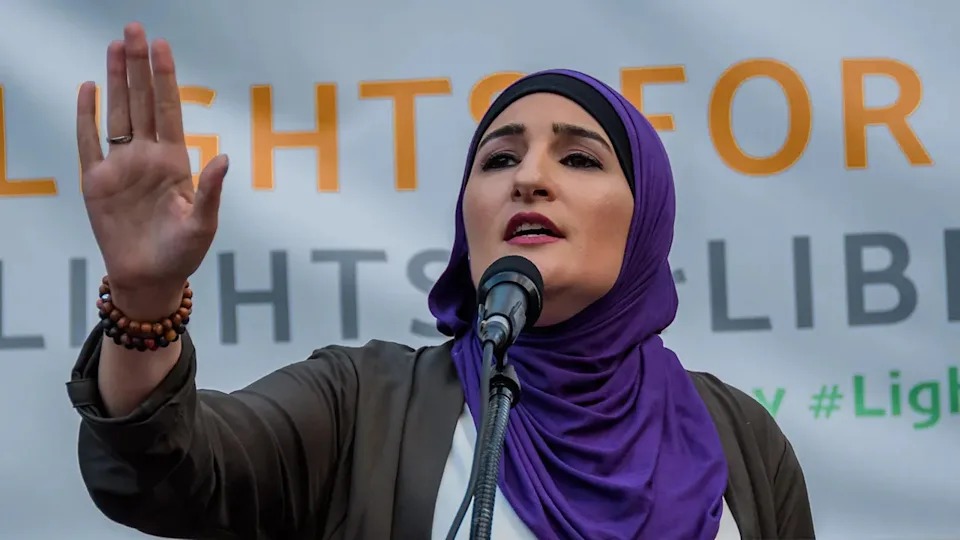
- Muslim-American representation: She paved the way for more visible Muslim women in American activism.
- Intersectional organizing: By connecting immigrant rights, racial justice and gender equality, she helped expand the activist playbook.
- Public discourse: Her voice prompted the nation to think about questions like policing, surveillance, and the role of faith in activism.
FAQs
Q1. Who is Linda Sarsour?
A1. Linda Sarsour is a Palestinian-American Muslim civil-rights activist from Brooklyn who has led major campaigns for Muslim, immigrant and racial-justice communities.
Q2. What major protest did she co-lead?
A2. She co-chaired the 2017 Women’s March in Washington, which drew millions of people across the U.S.
Q3. What kinds of issues has she worked on?
A3. Her work includes police reform, Muslim-American rights, immigrant justice, Black-Muslim solidarity and public-education reforms.
Q4. Has Linda Sarsour faced controversy?
A4. Yes. Some of her political statements, especially regarding Israel-Palestine and faith language, have sparked strong criticism and debate.
Q5. What is her ongoing role?
A5. She continues organizing, writing and speaking, aiming to empower marginalized communities and shift public-policy conversations.