
Jeff Bezos Launches Project Prometheus: $6.2B AI Startup for Engineering & Manufacturing
In a bold return to the tech arena, Jeff Bezos is re-emerging as a hands-on leader with Project Prometheus, a newly revealed artificial intelligence startup. After stepping away from day-to-day operations at Amazon, he is now stepping into a co-CEO role — marking his first official executive job since 2021. This move is not just symbolic; it signals a deep bet on the future of AI in the physical, industrial world.
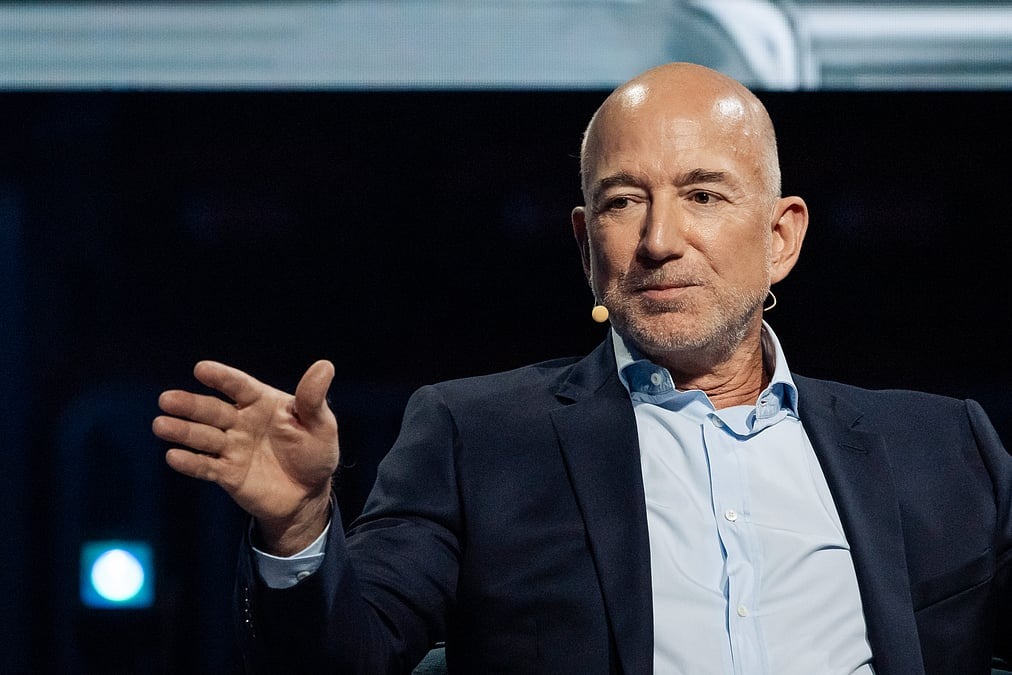
🔍 What Is Project Prometheus?
- Massive Funding: The startup has already raised $6.2 billion, with Bezos himself contributing to the pool.
- Leadership: Bezos will share the CEO role with Vik Bajaj, a physicist and chemist who previously worked at Google X and Verily.
- Talent: The early team reportedly includes nearly 100 experts recruited from top AI players like OpenAI, DeepMind, and Meta.
- Focus Areas: Rather than consumer AI, Prometheus is targeting “AI for the physical economy” — that means engineering and manufacturing applications for computers, aerospace, and automobiles.
💡 Why Bezos Is Re-Entering the Ring
- Refocused Ambition
Since leaving Amazon, Bezos has focused on his space company, but Project Prometheus represents a return to his roots: creating deep-technology companies that can shape industries, not just build a consumer business. - Industrial AI Opportunity
By targeting manufacturing and aerospace, Prometheus could automate complex, real-world systems — a big different play than chat-bots or language models. - Strategic Capital Deployment
With $6.2B in funding, Bezos isn’t just writing a check — he’s using capital to potentially build long-term competitive advantage in the AI space. - Regulating the Risks
Despite the hype, Bezos has previously warned about an “industrial bubble” in AI. His own startup may be designed to survive and shape the AI boom in a more sustainable, high-impact way.

⚠️ What the Move Means for the Tech Landscape
- New Rival for Big AI: Project Prometheus adds another heavyweight competitor to well-known labs. Its industrial focus may differentiate it from generative AI firms.
- Bezos vs Musk Take 2: Elon Musk has already called Bezos a “copycat” for jumping into AI, underscoring the renewed rivalry between billionaires competing for tech dominance.
- Capital Intensity: Building AI for physical systems is expensive; the $6.2B raise suggests Prometheus will need deep investment just to scale.
- Long-Term Vision: If successful, Prometheus could power not just manufacturing — but potentially autonomous robotics, space systems, and next-gen infrastructure.
🔭 What’s Next?
- Watch for product reveals or pilot projects in aerospace, automotive, or computing infrastructure.
- Monitor how Prometheus leverages its team from AI icons – will they push research forward or lean into engineering deployments?
- Keep an eye on partnerships: Prometheus may collaborate with legacy manufacturing firms, automakers, or even space companies.
- Observe how Bezos balances this with his role in Blue Origin — there may be overlap or synergy in future space-AI integration.
Elon Musk Becomes First Person to Reach $500 Billion Net Worth
✅ Final Thoughts
Jeff Bezos’ return to an executive role as co-CEO of Project Prometheus isn’t a nostalgic move — it’s a signal of a new, high-stakes bet on AI’s industrial future. With deep funding, top-tier talent, and a clear ambition, Prometheus could become a force in transforming how machines learn and build in the physical world.
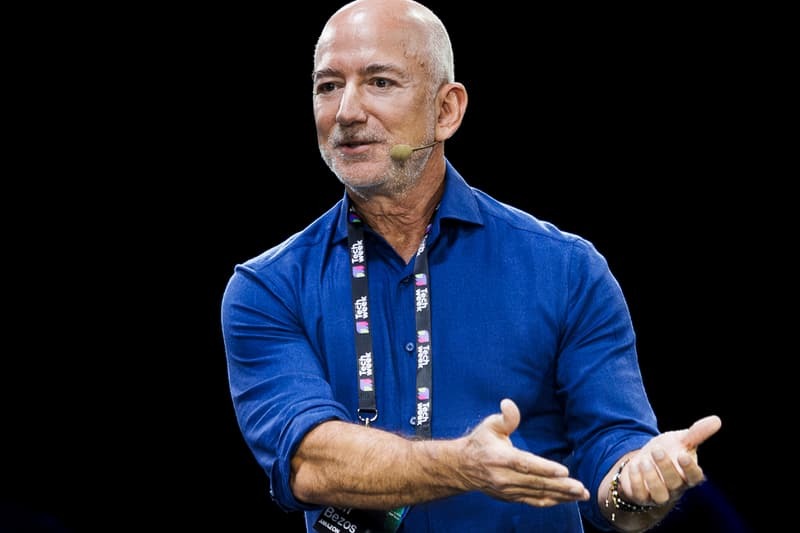
This isn’t just another startup — it’s a vision of AI that builds factories, rockets, and future infrastructure. And Bezos is betting big.
FAQ: Jeff Bezos’ Project Prometheus
1. What is Jeff Bezos’ Project Prometheus?
Project Prometheus is a new artificial intelligence company launched with Jeff Bezos as co-CEO. It focuses on developing advanced AI for physical industries such as aerospace, automotive manufacturing, engineering, and computing infrastructure.
2. Why did Jeff Bezos launch an AI company now?
Bezos sees industrial AI as the next major technology shift. After stepping back from Amazon, he wants to re-enter the tech world with a company that builds high-impact systems rather than consumer apps. Prometheus positions him at the center of the next big wave of innovation.
3. How much funding does Project Prometheus have?
The company has raised around $6.2 billion, making it one of the largest AI startup launches to date.
4. What makes Prometheus different from other AI companies?
While many AI companies focus on chat-based models and digital applications, Prometheus aims to use AI for real-world engineering, manufacturing, robotics, and aerospace — where AI can operate physical systems, not just text.
5. Who is the co-CEO of Project Prometheus?
Jeff Bezos shares the CEO role with Vik Bajaj, a well-known physicist with experience at Google X and Verily Life Sciences. His background brings deep scientific leadership to the company.
6. Will Project Prometheus compete with OpenAI, Google DeepMind, or Anthropic?
In some areas, yes — especially in AI research and talent recruitment. But its main focus on industrial AI means it may compete more with companies building robotics, manufacturing automation, and aerospace AI systems.
7. What industries will Project Prometheus impact first?
The company is expected to target:
- Aerospace technology
- Automotive manufacturing
- Complex engineering systems
- High-performance computing
- Robotics and automation
8. Is Jeff Bezos returning to tech full-time?
This is Bezos’ first major executive role since leaving Amazon in 2021. While he will continue leading Blue Origin, Project Prometheus marks a major return to hands-on tech leadership.
9. Could Project Prometheus work with Amazon or Blue Origin?
While nothing is confirmed, industry experts believe the company’s focus on engineering AI could eventually overlap with logistics, robotics, aerospace, or cloud computing — areas where Amazon and Blue Origin operate.
10. When will Prometheus launch its first product?
No official timeline has been given. However, given the size of the team and funding, early prototypes or industrial partnerships could emerge within the next 12–18 months.