
Tokyo, October 27, 2025 — Japan is facing a major economic and political reckoning after agreeing to a series of trade and investment commitments with the United States reportedly worth $550 billion, part of a sweeping effort by U.S. President Donald Trump to reshape global trade relations in America’s favor.

The agreements, signed during Trump’s ongoing Asia tour, highlight the delicate balance Tokyo faces between preserving its alliance with Washington and protecting its domestic economy.
Japan’s Costly Commitment
According to government insiders and financial reports, Japan’s commitments under the new U.S.-Japan economic partnership include increased defense spending, energy imports, and manufacturing investments across several U.S. states.
The $550 billion figure reportedly covers Japan’s plans to:
- Invest over $200 billion in U.S. infrastructure and technology projects.
- Purchase $150 billion in American defense equipment, including fighter jets, missile systems, and cybersecurity upgrades.
- Expand U.S. liquefied natural gas (LNG) imports, accounting for nearly $100 billion in energy deals.
- Support joint research and production ventures worth another $100 billion in the semiconductor and EV sectors.
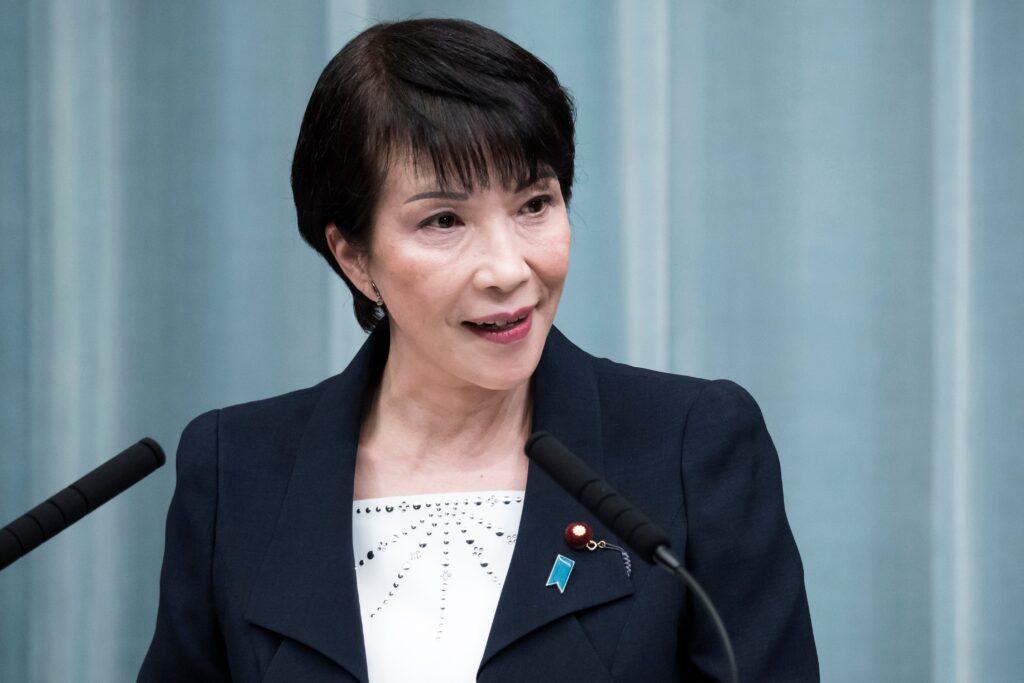
Japanese Prime Minister Shigeru Takaichi called the agreements “a necessary investment in the U.S.-Japan alliance,” but domestic critics have raised concerns over the scale and timing of the spending.
Political Backlash at Home
Opposition lawmakers and analysts in Tokyo warn that the deal could strain Japan’s finances at a time when the country is still battling inflation and sluggish wage growth.
“This is less of a partnership and more of a payment for political favor,” said Dr. Hiroko Nishida, an economist at Tokyo University. “Japan is paying a premium to stay in Washington’s good graces, even as other Asian nations negotiate smaller, more flexible deals.”
The government insists that the agreements will bring long-term benefits through enhanced trade access and cooperation in emerging technologies. Still, the opposition argues that Japan’s taxpayers are shouldering an undue share of costs tied to Trump’s “America First” economic agenda.
Balancing Alliance and Autonomy
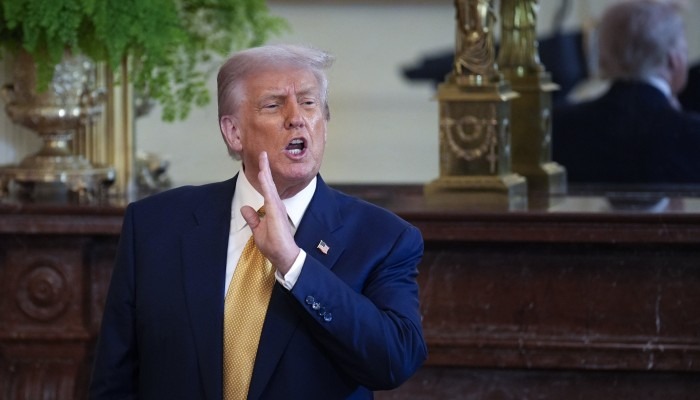
Trump, during his Tokyo visit, praised Japan’s “tremendous commitment to partnership” and hinted at further cooperation on defense and technology.
“Japan has been a great ally and is stepping up like never before,” he said during a joint press conference. “This partnership shows what strong allies can achieve together when both sides are willing to invest.”
For Japan, however, the challenge remains balancing its strategic dependence on the U.S. with growing economic pressures at home.
Trump Strikes Major Trade and Critical Minerals Deals Across Southeast Asia
Regional Implications
The deal also carries implications for East Asia’s geopolitical balance. As China tightens trade controls and South Korea deepens its ties with Europe, Japan’s heavy economic alignment with the U.S. could make it more vulnerable to market shifts or political tensions in Washington.
“Tokyo is betting that Trump’s promises of economic cooperation will outweigh the financial risks,” said political analyst Kenji Yamamoto. “But if U.S. policies change again after 2026, Japan could be left with massive long-term commitments and limited returns.”
Looking Ahead
The U.S. and Japan are expected to finalize specific terms for their semiconductor and defense cooperation in early 2026. The Japanese parliament is set to review the budget allocations related to these commitments in the upcoming winter session.
For now, Japan’s leadership is presenting the $550 billion deal as a symbol of “strategic loyalty.” But the domestic debate — and the economic costs — may only just be beginning.
🔎 FAQ: Japan’s $550 Billion Deal with the U.S.
1. What is the total value of Japan’s new deal with the U.S.?
The reported value of Japan’s new trade and investment deal with the U.S. is $550 billion, covering defense, energy, infrastructure, and technology cooperation.
2. Why is Japan investing so much in the U.S.?
Japan’s government views the investment as a way to strengthen its long-standing alliance with the U.S., boost access to American markets, and ensure security partnerships amid global uncertainty.
3. What are the main areas covered in the agreement?
The deal includes U.S. infrastructure investments, defense purchases, LNG imports, and joint ventures in semiconductor and electric vehicle production.
4. How are Japanese citizens reacting to the deal?
While some support it as a move to enhance Japan’s international influence, others criticize it as an excessive financial burden that could hurt domestic priorities.
5. What happens next after this agreement?
Both nations plan to finalize detailed terms by early 2026, with Japan’s parliament reviewing related budget allocations later this year.