
Trump Signs Bill to End Longest U.S. Government Shutdown – “It’s a Great Day for America”
Historic End to a 38-Day Standoff
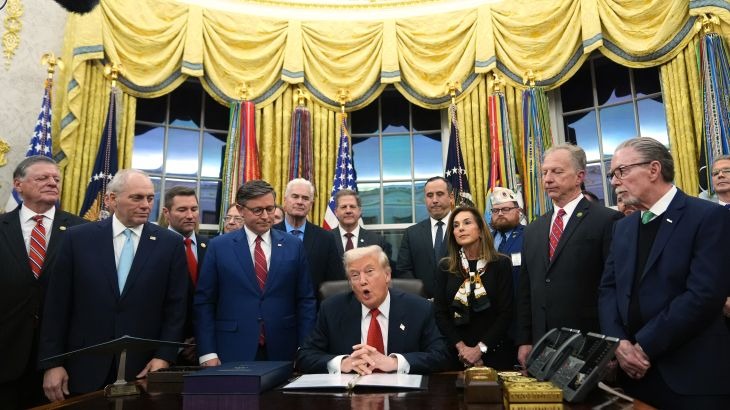
After weeks of uncertainty, political division, and economic strain, former U.S. President Donald Trump officially signed the bill that brought an end to the longest government shutdown in American history. The moment, described by Trump as “a great day for America,” marked the conclusion of a 38-day standoff that had paralyzed parts of the federal government and left hundreds of thousands of workers unpaid.
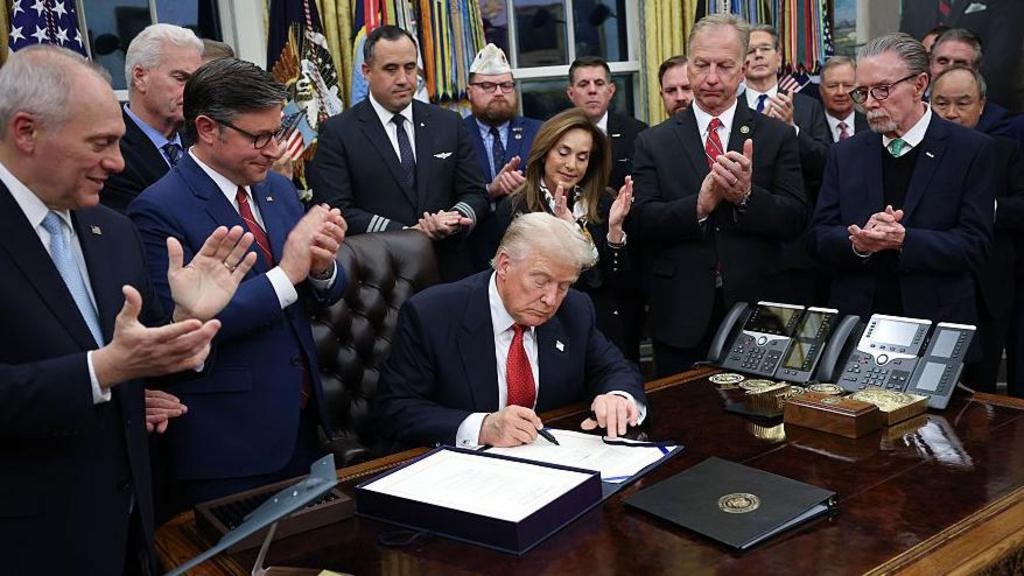
This shutdown, which began over funding disagreements tied to border security and federal budget allocations, became a defining political moment — one that tested the strength of institutions and the patience of the American people.
A Nation on Pause: The Impact of the Shutdown
For over a month, key government agencies were either completely shut down or operating at limited capacity.
- Federal employees missed multiple paychecks.
- National parks and museums closed their doors.
- Airports faced staff shortages that caused delays nationwide.
Small businesses and contractors suffered ripple effects as economic activities slowed down. Despite the challenges, the eventual bill signing brought a sigh of relief across the country.
What Led to the Shutdown?
The shutdown stemmed from a budget impasse between the White House and Congress. The central dispute focused on funding for border security — particularly Trump’s proposed border wall. Both sides refused to back down, turning a political disagreement into a national crisis.
Public frustration mounted as each week passed, pressuring lawmakers to find a resolution. In the end, bipartisan negotiation paved the way for a temporary funding bill that reopened the government — a move Trump later referred to as a “strategic reset” rather than a retreat.

Trump’s Statement: “A Victory for the American People”
In his statement following the bill’s signing, Trump struck a tone of optimism and unity. “It’s a great day for America,” he said. “We are back to work, stronger than ever, and committed to securing our nation’s future.”
He emphasized that the reopening of the government was not about political victory but about restoring stability for millions of Americans who rely on government services.
The event also reignited discussions about long-term budget reforms and the need to prevent future shutdowns through bipartisan planning.
Public and Political Reactions
Reactions poured in from both sides of the political aisle.
- Supporters praised Trump’s resolve and leadership in seeking a compromise.
- Critics argued the shutdown could have been avoided entirely.
- Federal workers expressed relief that the ordeal had ended, though many called for legislative safeguards to protect employees from similar situations in the future.
Social media lit up with hashtags like #GovernmentOpenAgain and #ShutdownEnds, reflecting widespread public relief.
House Votes to End Government Shutdown: Everything You Need to Know
Looking Ahead: A Lesson in Governance
While the shutdown is over, the event leaves behind key lessons for future administrations. Political analysts note that the episode exposed vulnerabilities in how federal budgets are negotiated and highlighted the human impact of political gridlock.
The experience may shape how both parties approach budget debates leading into the 2026 midterms, as voters are now more sensitive to the consequences of Washington’s internal battles.
Conclusion
The end of the longest U.S. government shutdown marked more than just a policy resolution — it symbolized a moment of reflection for American democracy. As Donald Trump declared it “a great day,” the nation collectively looked forward to stability, progress, and lessons learned from one of the most turbulent budget disputes in U.S. history.
💬 FAQ: U.S. Government Shutdown and Trump’s Bill
1. How long did the shutdown last?
The shutdown lasted 38 days, making it the longest in U.S. history.
2. What caused the shutdown?
It began due to disagreements over funding for border security and federal spending allocations.
3. How did it end?
A bipartisan bill was passed and signed by Donald Trump, temporarily funding the government while longer-term negotiations continued.
4. How many people were affected?
Approximately 800,000 federal workers were furloughed or worked without pay during the shutdown.
5. Did Trump call the end of the shutdown a victory?
Yes. Trump described it as “a great day for America” and a necessary step toward unity and progress.
6. What did the final bill include?
The bill provided temporary funding to reopen the government and allowed time for further discussions on border and security funding.
7. Could another shutdown happen in the future?
Experts believe it’s possible unless new bipartisan measures are created to prevent funding lapses.