
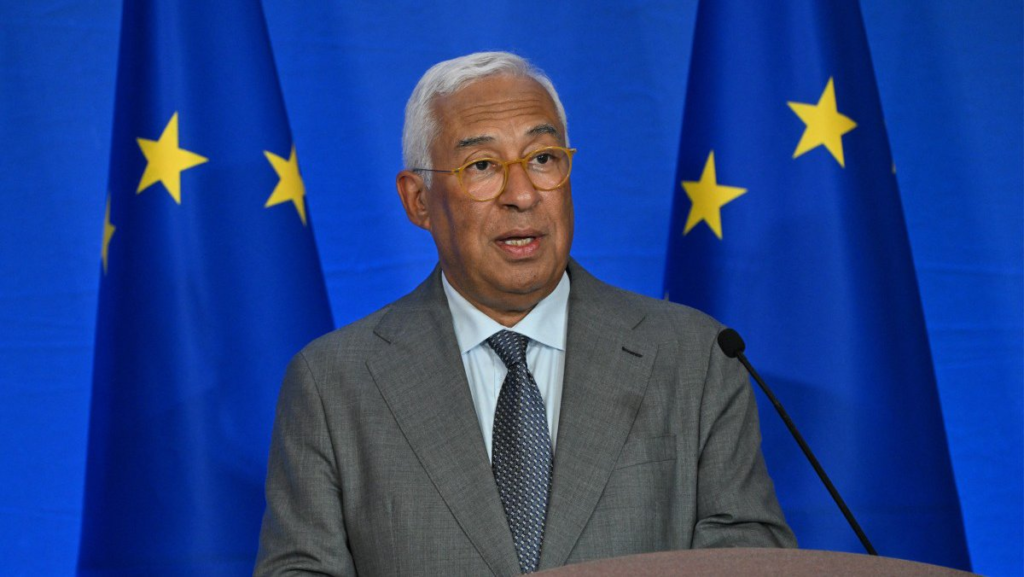
In a year marked by geopolitical uncertainty and shifting global alliances, António Costa — President of the European Council — has emerged as one of Europe’s most visible and influential leaders. Known for his pragmatic leadership and consensus-building skills, Costa is navigating the European Union (EU) through critical diplomatic, economic, and security decisions that will shape the continent’s future.
From Lisbon to Brussels: A Leader for the Times
António Costa, a seasoned Portuguese politician, took on the role of President of the European Council at a moment when Europe is facing both internal and external pressures. His role goes far beyond ceremonial duties; he plays a central part in guiding EU leaders toward shared priorities on defense, trade, and diplomatic relations. His leadership approach is rooted in dialogue and unity — two qualities that have become increasingly important as Europe deals with global challenges.
2026: A Year of Strategic Partnerships and Diplomatic Engagement
1. Cementing Global Alliances
One of the biggest developments in the early part of 2026 has been Costa’s active engagement in strengthening the EU’s partnerships beyond its borders. In January, he made a high-profile trip to India, where he was welcomed with full honours as part of the EU’s delegation. This visit came at a time when the EU and India are working to deepen their strategic cooperation, particularly on trade, technology, and sustainable growth. The trip also highlighted the importance of intercontinental collaborations as Europe seeks balanced global relations in a more multipolar world.
2. A Historic Trade Milestone: EU-Mercosur Agreement
António Costa also played a central role in the long-awaited EU-Mercosur trade agreement, which was signed in early 2026 after more than two decades of negotiation. This pact with Argentina, Brazil, Paraguay, and Uruguay represents one of the most significant trade partnerships for the EU in the Americas and is expected to benefit hundreds of millions of citizens by boosting trade, protecting workers’ rights, supporting environmental standards, and fostering shared prosperity.
Championing Europe’s Security and Values
3. Resisting Coercion and Standing Up for International Law
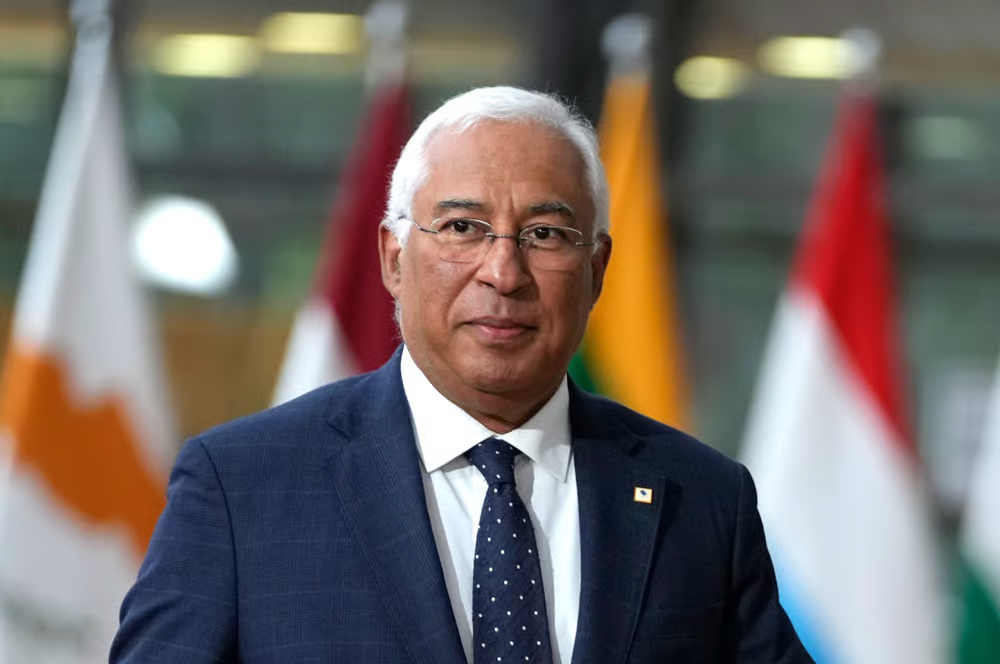
Costa has been vocal about defending the EU’s core values on the global stage. In a major address to European leaders, he underscored that the EU must be ready to protect its citizens, businesses, and member states from coercion — whether economic, political, or military. His message was clear: international law must be respected, and alliances must be rooted in shared principles rather than transactional deals.
4. Supporting Denmark, Greenland, and Transatlantic Dialogue
At a major EU summit, Costa reaffirmed the bloc’s unwavering support for Denmark and Greenland amid rising geopolitical tensions. He emphasized the need for mutual respect and collaboration with longstanding partners like the United States, while also calling for Europe’s strategic autonomy — the ability to act decisively on defense and security issues independently, when necessary.
Kaja Kallas: The Fearless European Leader Redefining Modern Politics
5. Binding Security Guarantees for Ukraine
Costa’s leadership has also extended to pressing issues involving Eastern Europe. He supported calls for legally binding security guarantees for Ukraine once a ceasefire is established, positioning the EU as a key supporter of peace and future prosperity for the country. This stance aligns with broader European commitments to peace, stability, and cooperation in the region.
Vision for a Stronger, More United Europe
António Costa’s presidency of the European Council reflects a clear vision: a Europe that is united, resilient, and respected on the global stage. Whether through trade deals, diplomatic visits, or strategic statements on defense and law, Costa’s leadership style blends patience with determination, seeking not only immediate solutions but long-term stability.
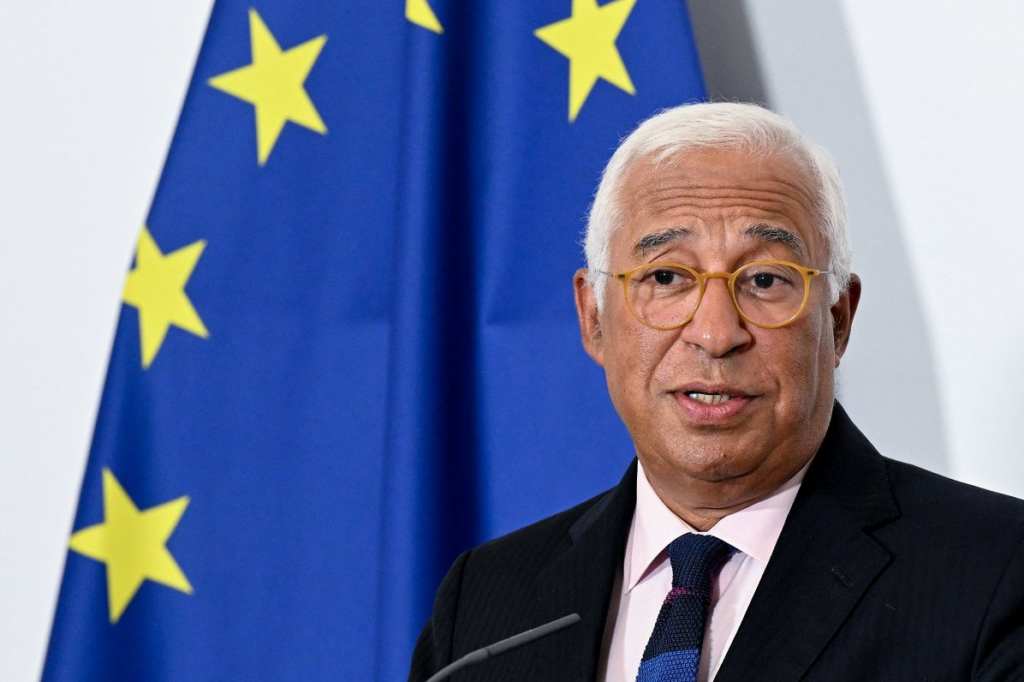
His actions in 2026 are setting important precedents — reaffirming Europe’s role as a global partner that stands firm on its principles while continuing to build bridges across continents.
Frequently Asked Questions (FAQ)
Q1. Who is António Costa?
António Costa is the President of the European Council, responsible for guiding EU leaders on key strategic, diplomatic, and security issues.
Q2. What major international visits has Costa made in 2026?
In 2026, Costa led high-level engagements including an official visit to India to strengthen EU-India relations and expand strategic cooperation.
Q3. What is the EU-Mercosur trade agreement?
The EU-Mercosur agreement, signed in early 2026, is a major trade pact between the EU and South American partners that boosts economic cooperation and market access.
Q4. How is Costa promoting European security?
Costa has stressed the EU’s readiness to defend itself against coercion, support binding security guarantees for Ukraine, and build strategic autonomy alongside traditional alliances.
Q5. Why is Costa’s leadership significant today?
His leadership emphasizes unity, diplomacy, and adherence to international law — crucial elements for Europe’s stability amid global geopolitical shifts.