
In a significant shift in tone, U.S. President Donald Trump has clarified that he will not enforce a strict deadline for achieving a peace agreement between Ukraine and Russia. After weeks of insisting on a fixed timeline for Ukraine to accept a U.S.-backed peace proposal, Trump stepped back from that position, saying simply:
“The deadline for me is when it’s over.”
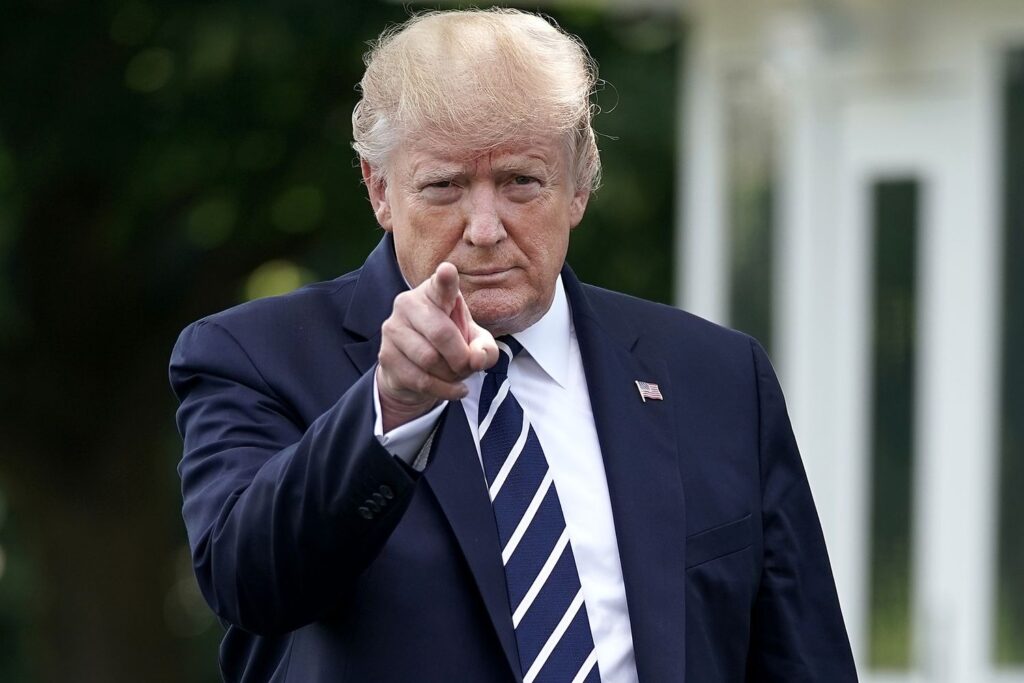
This statement reflects both the complexity of the conflict and the evolving nature of diplomatic negotiations. While the U.S. continues to push for progress, the administration has acknowledged that rushing a peace agreement could lead to instability or an imbalanced settlement.
🕊️ Trump’s New Position — What It Means
- No strict deadline: The U.S. will no longer push Kyiv to finalize the deal by a specific date.
- Negotiations ongoing: U.S. officials say discussions are still active and “moving forward.”
- Russia reportedly offering concessions: While Trump claims progress, details remain undisclosed.
- Emphasis on diplomacy: American envoys are coordinating with Kyiv and Moscow to bridge final disagreements.
Trump’s latest comments suggest the administration wants flexibility rather than pressure as talks reach their most sensitive stage.
🔄 Why the Deadline Was Removed
Initially, the White House floated a firm timeline to encourage faster progress. But after concerns from Kyiv and cautious reactions from European allies, the administration softened its approach.
Officials familiar with the discussions say the peace framework — a detailed set of proposals covering territorial arrangements, security guarantees, and governance issues — is being revised after feedback from both sides. Only a few unresolved points reportedly remain, but they are among the most contentious.
The decision to remove the deadline reflects an understanding that a lasting peace cannot be achieved through pressure alone.

⚠️ Concerns Surrounding the Open-Ended Timeline
While some see the flexibility as a positive development, others remain wary:
- Ukrainian sovereignty at stake: Critics worry Ukraine could face prolonged pressure to accept unfavorable terms.
- Unverified Russian concessions: Without transparency, skepticism remains high.
- European allies uneasy: Some fear the U.S. may finalize a deal that does not fully align with Europe’s long-term strategy.
- Humanitarian worries: The longer the war continues without resolution, the greater the civilian toll.
The open-ended approach leaves room for careful negotiation — but also uncertainty.
🌍 What Happens Next?
- Envoy visits: U.S. diplomats are expected to meet Russian and Ukrainian officials separately in the coming days.
- No presidential meetings yet: Trump said he will only meet with Putin or Zelensky when a near-final deal is ready to be confirmed.
- Final hurdles remain: Territorial control, security guarantees, demilitarization zones, and political autonomy are among the unresolved issues.
Diplomats caution that even with progress, the end of the war will require difficult compromises from both sides.
Trump Expresses Confidence in Ukraine’s Full Victory Against Russia 2025
✅ Final Takeaway
Trump’s statement — “The deadline is when it’s over” — signals a move toward a flexible, negotiation-driven peace process. The shift removes immediate pressure but also prolongs uncertainty. The world now watches as the U.S., Ukraine, and Russia navigate one of the most complex diplomatic challenges of the decade.

For now, the conflict continues — but the path to peace remains open.
FAQ
Q1. Did Trump cancel the peace talks?
No. He removed the deadline, but negotiations are still ongoing.
Q2. Will Russia and Ukraine meet directly soon?
Not yet. U.S. envoys are handling most discussions until a near-final agreement emerges.
Q3. Why was the deadline removed?
Because both sides needed more time to resolve sensitive issues, and rushing could undermine a lasting agreement.
Q4. Is Ukraine willing to accept the U.S. proposal?
Ukraine remains cautious and wants assurances that its sovereignty and security will be fully protected.
Q5. Does the open timeline mean peace is closer or farther away?
It could mean either — more flexibility can help negotiations, but the lack of urgency may prolong the process.
Thanks for sharing. I read many of your blog posts, cool, your blog is very good.