
UK Home Secretary Shabana Mahmood Unveils New Asylum Policies – Key Changes Explained
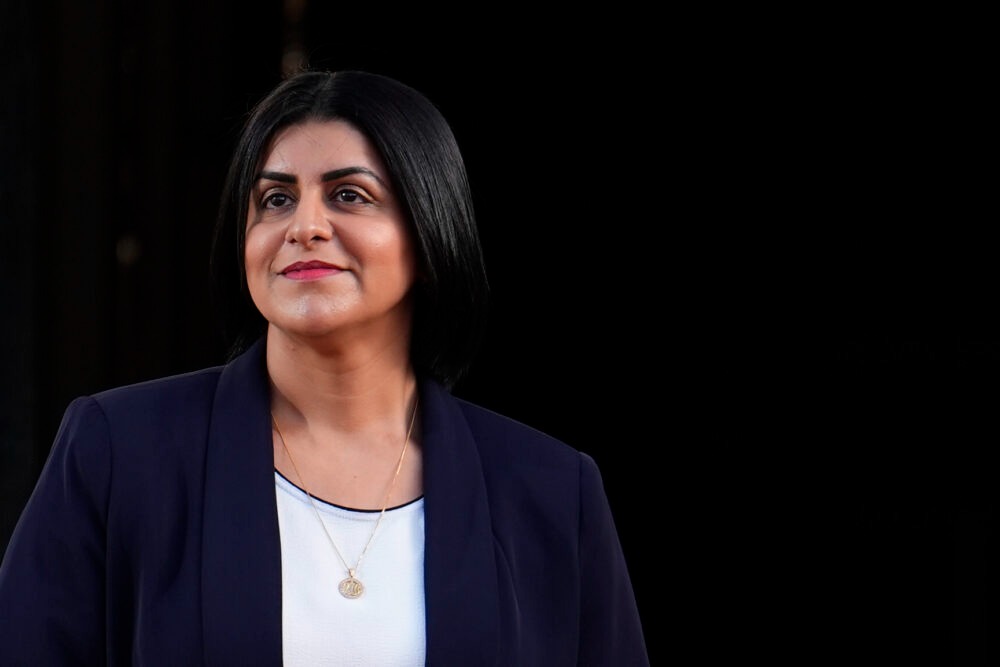
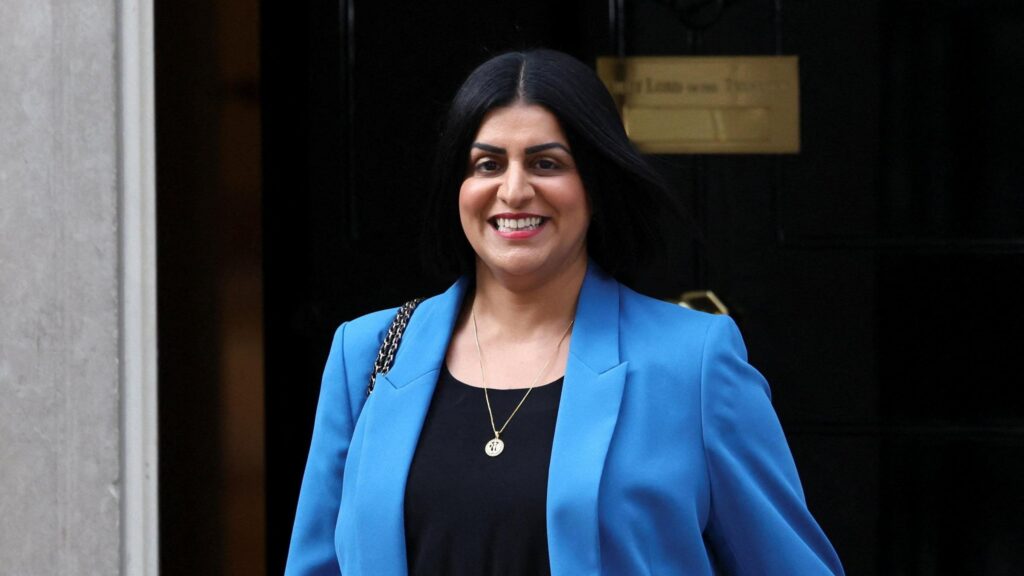
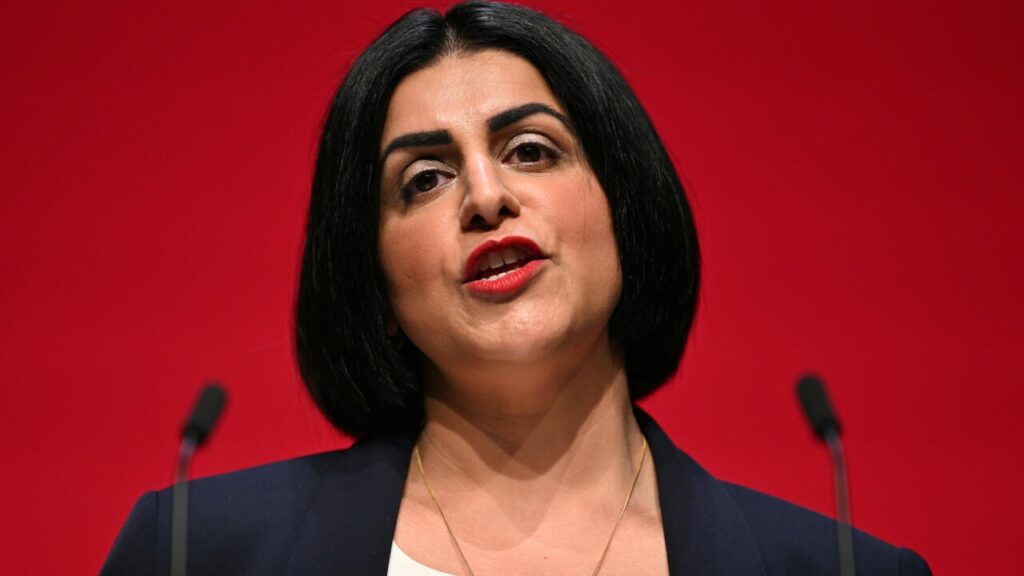
Shabana Mahmood, the new UK Home Secretary, is set to unveil what could be a sweeping overhaul of Britain’s asylum system. In 2025, she’s pushing forward changes that reflect her determination to “restore control,” even as critics warn that they may sharply cut protections for refugees.
🔍 What’s on the Table: Key Policy Changes
Here are some of the boldest proposals Mahmood is expected to announce:
- Temporary Refugee Status
Rather than being granted permanent protection, refugees may now receive temporary status that is reviewed regularly. If their home countries are deemed safe again, they could be asked to return. - End to Automatic Support
The longstanding legal guarantee of housing and financial support for asylum seekers is set to be scrapped. Instead, assistance will become discretionary, potentially favoring those who can work or have assets. - Harsh Path to Settlement
Asylum seekers, especially those who entered irregularly, may face a 20-year wait before becoming eligible for permanent settlement. This marks a dramatic shift from the current five-year timeline. - New Safe Legal Routes
Mahmood is also introducing new, capped, safe routes for refugees — including a model for “community sponsorship” similar to Britain’s Ukraine scheme. These pathways are meant to offer a more controlled entry channel for genuine refugees. - Migration and Human Rights
To strengthen border control, the government may also revise how judges use human rights law in immigration cases — giving more weight to public safety than to family reunification arguments.
⚙️ Why These Reforms Are So Controversial
- Tougher Rules vs. Compassion: Mahmood argues the system is “out of control” and puts pressure on communities. Reformers believe tighter rules are needed. But many charity groups fear these policies will punish genuine refugees.
- Denmark Model: Her reforms draw heavily on a Danish-style system — a model that critics say is too rigid and harsh.
- Uncertain Future for Refugees: With “temporary” status replacing permanent protection, many worry this will lead to instability for people who have already built a life in the UK.
- Long Waits for Settlement: A 20-year timeline to permanent residency could leave asylum seekers living in limbo for decades.
- Pulling Back Support: Making housing and benefits conditional creates a risk of hardship, homelessness, or worse, for vulnerable people.
🌐 Political & Social Implications
- Public Sentiment: Mahmood frames the reforms as a moral mission — positioning them as necessary to stop illegal migration and restore trust in the system.
- Backlash Risk: Opposition MPs, refugee charities, and human rights activists are voicing strong concerns. They warn that these changes could undermine the UK’s humanitarian obligations.
- Long-Term Impact: The reforms could reshape who stays in the UK long-term and how linear the path to citizenship is for new asylum seekers.
- Local Dynamics: The removal of guaranteed support could shift where and how refugees are housed, possibly reducing the costs for the state — but also raising the risk of social exclusion.
California Governor Hopeful Katie Porter Sparks Viral Moment After CBS Interview
✅ Why It Matters
If Mahmood’s reforms go ahead, they won’t just tweak the asylum system — they could transform it. For asylum seekers, these changes may mean more uncertainty and longer waits. For British society, it’s a signal that the government is aggressively redefining its approach to immigration — balancing deterrence with limited legal routes.
📌 FAQs About Mahmood’s Asylum Policy Plans
Q1: Why is Shabana Mahmood making these changes now?
She argues the current asylum system is “broken,” placing unsustainable demands on local communities and encouraging illegal migration.
Q2: Will refugees be forced to leave if their home countries improve?
Under the plans, yes — refugee status could be revoked once a country is considered “safe” again, meaning some people may be asked to return.
Q3: What happens to asylum seekers who can work?
Those who have the right to work and do so may be denied benefits and housing, based on the new discretionary support system.
Q4: How long will it take for someone to get permanent residency under the new rules?
For many asylum seekers, the wait could stretch up to 20 years, particularly for those who arrived irregularly.
Q5: Are there still legal ways for refugees to come to the UK?
Yes, the new policies include “safe and legal” routes with community sponsorship, though these are expected to be limited and capped.
Thank you for your sharing. I am worried that I lack creative ideas. It is your article that makes me full of hope. Thank you. But, I have a question, can you help me?