
Burger Chain Closures 2025: Why Fast-Food Giants Are Shutting Stores Across the U.S.
The Changing Face of America’s Fast-Food Scene
For decades, the burger has symbolized American comfort food — simple, affordable, and everywhere. But in 2025, the once-booming fast-food industry is facing a major shake-up. Across the country, several popular hamburger chains are closing stores, trimming operations, and rethinking their menus as they confront rising costs, new competition, and shifting consumer tastes.
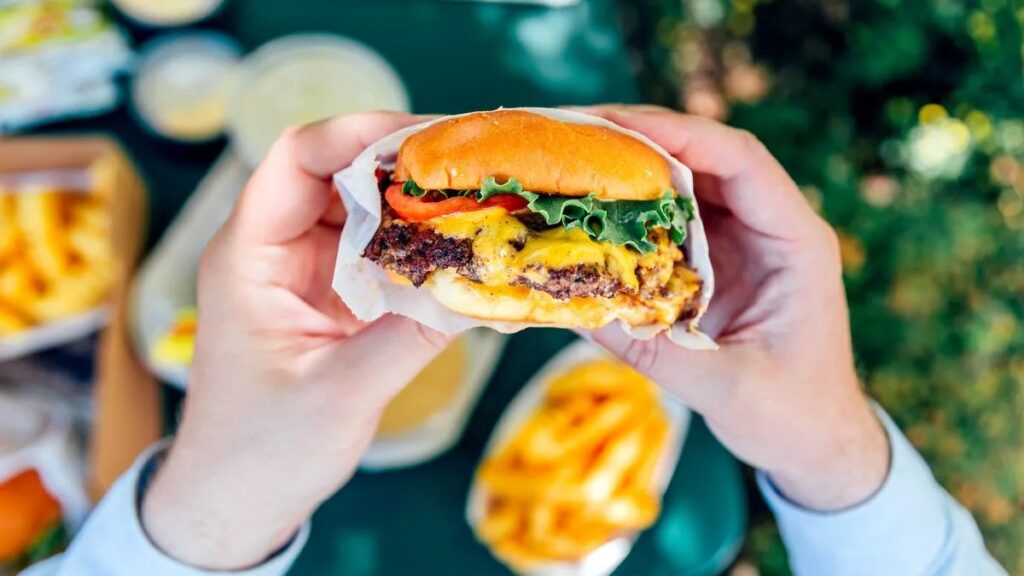
This wave of closures has caught both loyal customers and employees off guard. From local favorites to major national brands, the burger industry is being forced to evolve or fall behind.
What’s Behind the Closures?
- Rising Costs Everywhere
Inflation continues to hit restaurant operations hard. Ingredients like beef, cheese, and cooking oil have seen double-digit price increases since 2024. Many restaurant owners say profit margins have shrunk so much that some locations are no longer sustainable. - Higher Wages and Labor Shortages
With minimum wage hikes across multiple states and ongoing staffing shortages, labor costs have skyrocketed. Some chains are investing in automation — self-order kiosks and AI-powered drive-thrus — but smaller franchises can’t afford that shift. - Changing Consumer Preferences
More Americans are choosing healthier or plant-based options. Fast-casual restaurants that focus on freshness and sustainability are drawing in younger customers, leaving traditional burger chains struggling to keep up. - The Rise of Delivery Apps
Third-party delivery apps have changed how people eat, but they also take huge commission fees from restaurants. Many smaller burger joints find it hard to balance in-store traffic with online delivery costs.
The Brands Affected
While not every company has released official numbers, reports suggest that several national burger chains are downsizing — including long-time staples that once defined the fast-food culture. Wendy’s, Burger King, and a few regional favorites have either closed underperforming outlets or postponed expansion plans.
Franchise owners say urban locations have been hit hardest due to high rent and declining foot traffic. Rural and suburban stores, however, have remained stable thanks to loyal communities.
A Look Toward the Future
Despite the setbacks, the burger industry is not disappearing — it’s transforming. Brands are focusing on innovation rather than expansion. Expect to see:
- Smaller menus with premium ingredients
- Plant-based and high-protein options
- Tech-driven ordering systems for speed and accuracy
- Collaborations with local farms to ensure freshness
In short, the classic burger isn’t going anywhere — it’s just getting smarter, greener, and more personalized.

What It Means for Employees
The closures have sparked concern among thousands of workers who rely on fast-food jobs. However, industry experts believe many will transition to new roles within tech-driven restaurants or delivery logistics. As digital food service grows, so does the demand for skilled operators, data managers, and customer experience staff.
The Consumer Perspective
For customers, the closures mean fewer options in some neighborhoods — but also potentially better quality and more creative menus in surviving chains. New entrants to the market, including gourmet and plant-forward burger brands, are filling the gaps with a focus on sustainability and bold flavors.
Wendy’s Closing Hundreds of Restaurants: What’s Really Going On?
FAQs
Q1: Why are so many hamburger chains closing in 2025?
Because of rising costs, labor shortages, and changing eating habits. Many chains are consolidating to stay profitable.
Q2: Will these closures affect food prices?
Yes. With fewer competitors and higher operating costs, burger prices may rise slightly, especially in major cities.
Q3: Are healthier menus replacing traditional burgers?
Not replacing — evolving. Most major brands now balance traditional burgers with vegan, low-calorie, or protein-packed options.
Q4: What’s next for the fast-food industry?
Expect more automation, eco-friendly packaging, and menus tailored for digital ordering and health-conscious customers.

Final Thoughts
The burger has been an American icon for generations, but even icons need to adapt. The recent wave of hamburger chain closures in 2025 isn’t the end of fast food — it’s the start of a smarter, more efficient, and customer-focused era. Whether you crave a classic cheeseburger or a plant-based alternative, one thing is clear: the future of the burger industry is being grilled fresh.