
Traveling doesn’t have to be expensive or stressful — especially in 2025, when smarter planning tools and budget-friendly apps can make every trip smoother and cheaper. Whether you’re exploring U.S. cities or flying overseas, these travel hacks will help you save money, skip long lines, and get more out of every journey.

Let’s dive into the best smart travel hacks for 2025 that every traveler should know. 🌍💼
🧳 1. Travel During the “Shoulder Season”
If you want lower prices without missing out on good weather, travel during the shoulder season — the period between peak and off-peak times.
For example:
- Europe: April–May or September–October
- U.S. cities: February–April and September–November
Flights and hotels can be up to 40% cheaper, and popular spots are far less crowded.

💡 Pro Tip: Use Google Flights’ “Date Grid” feature to compare prices across weeks and spot the cheapest time to fly.
💻 2. Use AI Travel Planners for Free Itineraries
AI tools have become game-changers for travelers. Platforms like ChatGPT, Roam Around, and TripPlanner.ai can create free, customized itineraries in seconds — saving you hours of research.
Simply enter your destination, travel dates, and interests (like “3 days in New York with kids”), and you’ll get a ready-to-go plan with attractions, food spots, and routes.

💡 Pro Tip: Combine AI itineraries with Google Maps lists to mark must-see places offline.
💰 3. Track Flights Like a Pro
Gone are the days of refreshing airline websites for deals. Use flight tracker tools such as Hopper, Skyscanner, or Google Flights Alerts to automatically notify you when prices drop.
For international flights, set alerts 2–3 months in advance. Domestic flights are cheapest about 6 weeks before your trip.

💡 Pro Tip: Use your browser’s incognito mode when searching for flights — it helps avoid price hikes caused by repeated searches.
🏨 4. Book Hotels with Free Cancellation
Flexibility is key in 2025. Most travel sites like Booking.com or Agoda offer free cancellation — take advantage of it. Book early to lock in lower prices, and if a better deal appears later, cancel the old booking at no cost.

💡 Pro Tip: Compare hotel rates on Trivago or HotelsCombined — sometimes the same hotel lists cheaper prices on lesser-known platforms.
🚗 5. Use Local Transport Apps
Instead of expensive taxis or tourist buses, use local ride-sharing and metro apps. For instance, Transit, Moovit, or city-specific apps show you real-time public transport routes and costs.
In cities like Chicago, Boston, and San Francisco, you can save up to 70% using metro passes instead of cabs.

💡 Pro Tip: Download Google Maps offline before your trip — it works even without an internet connection.
🍴 6. Eat Like a Local
Food costs can drain your travel budget fast. Instead of tourist restaurants, try local diners, food trucks, or street markets. You’ll save money and get authentic local flavors.
Use apps like Yelp, HappyCow (for vegan options), or Google Maps reviews to find hidden gems that locals love.

💡 Pro Tip: Eat your biggest meal at lunch — many restaurants offer cheaper lunch menus than dinner prices.
10 Affordable U.S. Destinations You Must Visit in 2025
🎫 7. Look for Free Experiences
Almost every city has free attractions — you just have to find them. Parks, museums, art walks, and public events can fill your day without costing a dime.
In the U.S., national parks offer free entry on select days, and cities like Washington, D.C. have dozens of free museums.

💡 Pro Tip: Search “free things to do in [city name]” on Google before your trip — you’ll discover events and walking tours that most tourists miss.
💳 8. Use the Right Travel Credit Card
Travel credit cards can save hundreds through cashback, flight miles, and free baggage perks. Cards like Chase Sapphire Preferred or Capital One Venture Rewards offer huge signup bonuses and no foreign transaction fees.

💡 Pro Tip: Always pay in the local currency abroad — your card usually offers a better exchange rate than airport kiosks.
🏷️ 9. Save on Luggage Fees
Airlines now charge heavily for checked bags. To save, use lightweight carry-ons and compression packing cubes. Stick to essentials, wear your heaviest clothes on the plane, and roll clothes instead of folding to fit more.
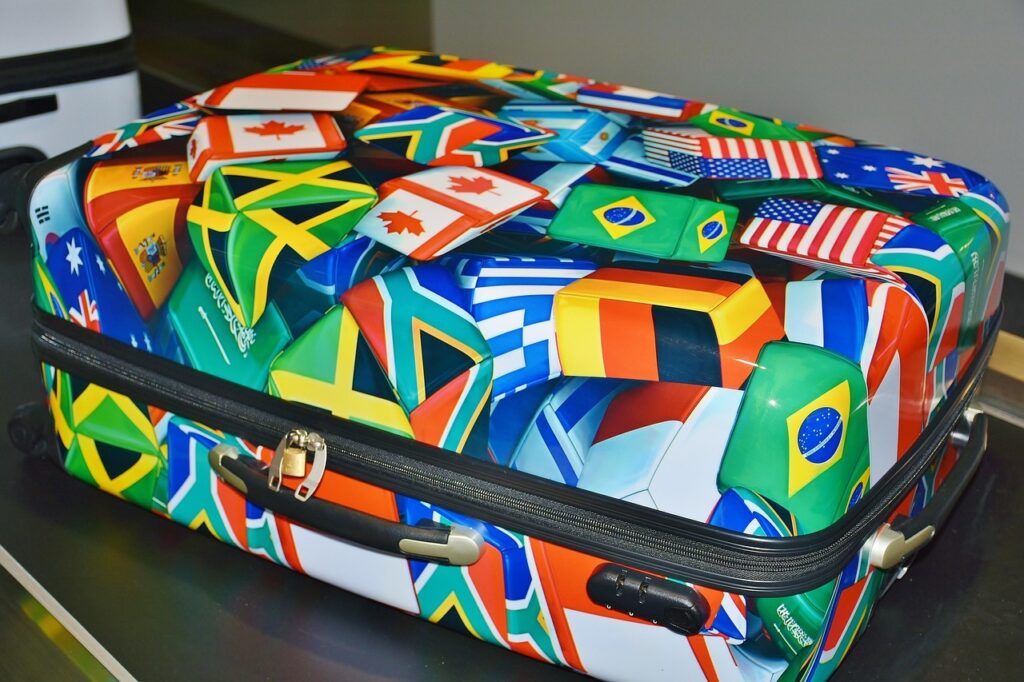
💡 Pro Tip: Pack a reusable water bottle and snacks to avoid overpriced airport food.
📱 10. Download Smart Travel Apps
Before heading out, make sure your phone has these time-saving apps:
- XE Currency: For live exchange rates
- TripIt: To organize flights and hotel confirmations
- Google Translate: For instant voice or photo translations
- Airalo: For cheap international eSIM data
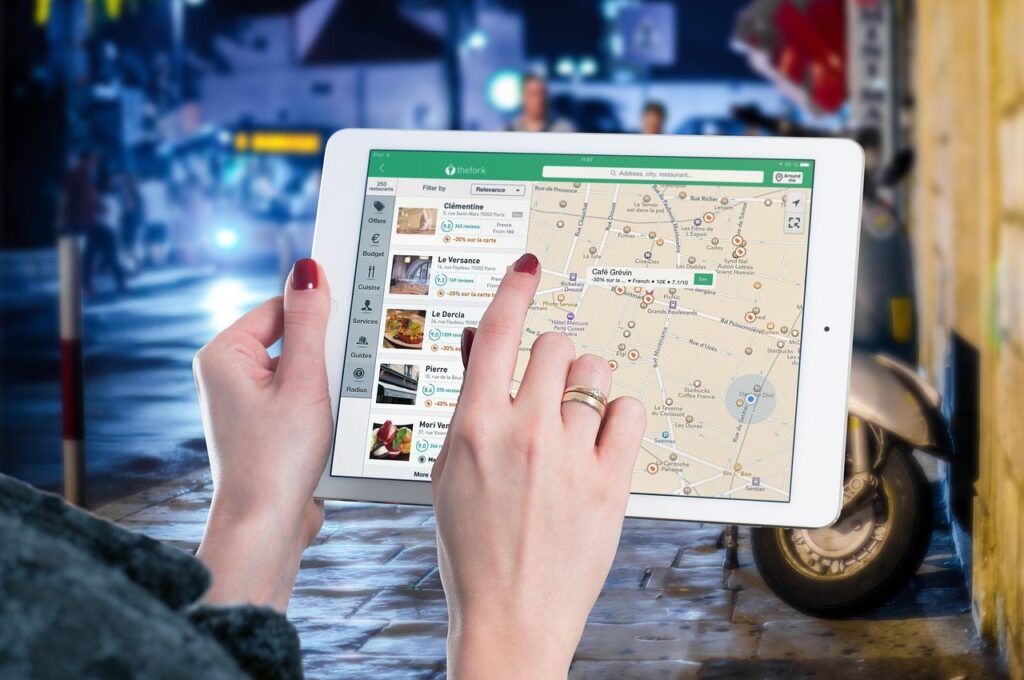
💡 Pro Tip: Turn on “Live View” in Google Maps to use AR navigation — it’s great for walking in unfamiliar areas.
🧠 Bonus Hack: Travel Insurance Pays Off
Many travelers skip travel insurance to save money, but a single flight delay or hospital visit abroad can cost hundreds.
Use platforms like SafetyWing or Allianz Travel for affordable, short-term coverage that protects you from cancellations and emergencies.
✈️ Travel Smarter in 2025
Traveling smarter means traveling freer — less stress, more fun, and more savings. By combining technology, timing, and a little local know-how, you can make every trip memorable without overspending.
So in 2025, ditch the old way of planning. Let AI and modern apps work for you, explore like a local, and turn your wanderlust into a lifestyle — without breaking your budget. 🌎✨
❓ Frequently Asked Questions (FAQ)
Q1: What are the cheapest months to fly in 2025?
👉 January, February, and September are generally the most affordable months to fly, especially for domestic U.S. routes and Europe-bound trips.
Q2: Is it better to book flights early or last minute?
👉 For international flights, book 2–3 months ahead. For domestic trips, 4–6 weeks in advance offers the best deals. Last-minute flights are usually costlier.
Q3: Which travel apps are essential in 2025?
👉 Must-have apps include Google Maps, TripIt, Hopper, Airalo, and XE Currency for easier navigation, organization, and savings.
Q4: How can I travel light and avoid baggage fees?
👉 Pack clothes that mix and match, use compression cubes, and stick to carry-ons only. Always check your airline’s weight limit before flying.
Q5: Is travel insurance really necessary?
👉 Yes, it’s highly recommended — especially for international trips. It protects you from cancellations, lost luggage, and medical emergencies abroad.