
Communities along the Bering Sea hit by record storm surge, forcing mass evacuations
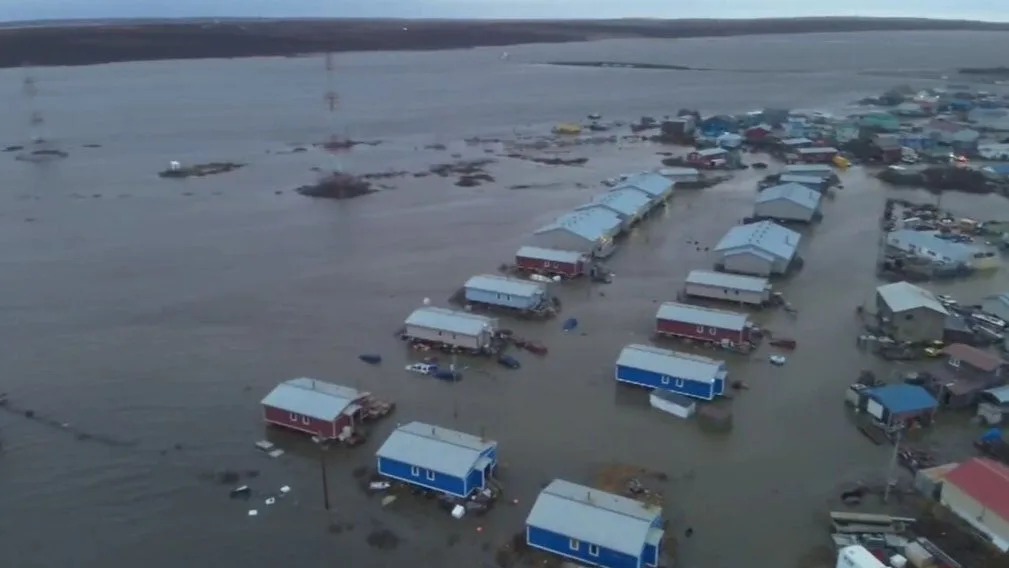
Western Alaska is reeling after the powerful remnants of Typhoon Halong struck the coast over the weekend, bringing severe flooding, destructive winds, and chaos to several coastal communities. The storm, which formed in the western Pacific earlier this month, transformed into a massive extratropical system as it moved north, slamming into the Bering Sea and surrounding areas with unexpected force.

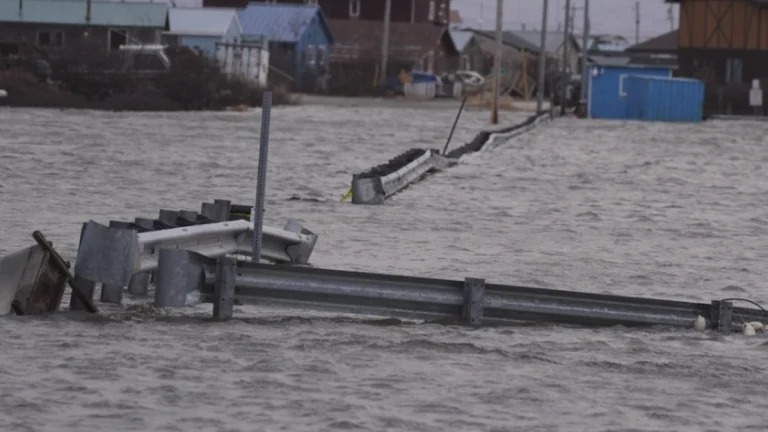
According to state emergency officials, dozens of residents had to be rescued after water levels rose rapidly overnight, submerging homes, vehicles, and entire streets. Many small villages, especially those near the Yukon–Kuskokwim Delta, were cut off from the mainland as floodwaters surrounded them.
“This was one of the strongest storms we’ve seen in years,” said an Alaska Emergency Management Agency spokesperson. “Winds reached up to 75 mph, and coastal areas saw water levels six to eight feet above normal tides. The damage is widespread.”
Evacuations and Emergency Response
Rescue teams worked around the clock to reach affected residents. The Alaska National Guard and U.S. Coast Guard deployed helicopters and boats to transport stranded families to safety. Over 50 people, including elderly residents and children, were evacuated from flooded neighborhoods by Sunday morning.
Emergency shelters have been set up in local schools and community centers, offering food, blankets, and basic medical care. Local volunteers are helping distribute supplies as roads remain blocked by debris.
In some remote areas, communication lines and power systems are still down. Officials said restoring electricity could take several days due to high water levels and damaged infrastructure.
Storm Origins and Unusual Strength
While Alaska does not experience direct typhoons, the state occasionally faces the remnants of Pacific storms that travel north after losing tropical strength. Once they interact with colder air masses, these systems can regain energy, creating powerful wind and flooding events — as seen with Typhoon Merbok in 2022.
Meteorologists said Typhoon Halong followed a similar path. After weakening near Japan, it moved across the northern Pacific, gathering strength again over warmer ocean waters before reaching Alaska. “These kinds of storms are becoming more frequent due to warmer seas,” explained Dr. Emily Norris, a climate researcher at the University of Alaska Fairbanks. “It’s a reminder of how global weather systems are connected.”
Scenes of Destruction and Resilience
Photos shared by residents show houses pushed off their foundations, fishing boats stranded inland, and power poles snapped in half. Entire stretches of coastline have been reshaped by the storm surge, with sand and debris covering roads and homes.
Despite the destruction, stories of resilience are emerging. In the small town of Hooper Bay, residents used fishing boats to rescue neighbors trapped by rising water. “Everyone came together,” said lifelong resident Jacob Tuluk. “We’ve seen storms before, but nothing like this one. Still, our community always helps each other.”
Helicopter Crash in Southern California Beach Parking Lot Sends Five to Hospital
Recovery and the Road Ahead
Governor Mike Dunleavy has declared a state of emergency and promised full support for recovery efforts. Disaster response teams are assessing the damage to determine how much federal aid will be required. Early estimates suggest millions of dollars in property loss.
Experts say rebuilding will take months, especially for communities in remote coastal regions. Relief groups are prioritizing food, water, and temporary housing. Meanwhile, officials are urging caution, as rivers and coastal areas may continue to flood in the coming days due to runoff.
“This is a tough time for Alaska,” said the governor in a statement. “But we’ll rebuild, and we’ll make sure every affected family has the support they need.”
Climate Concerns Moving Forward
Scientists warn that storms like this could become more intense in the future as ocean temperatures rise. The Bering Sea, once known for its icy waters, has seen a steady increase in average temperature over the past decade — creating conditions that allow tropical systems to hold their strength longer.
“Alaska is on the front line of climate change,” said Dr. Norris. “Events like this show how even distant typhoons can have devastating effects thousands of miles away.”